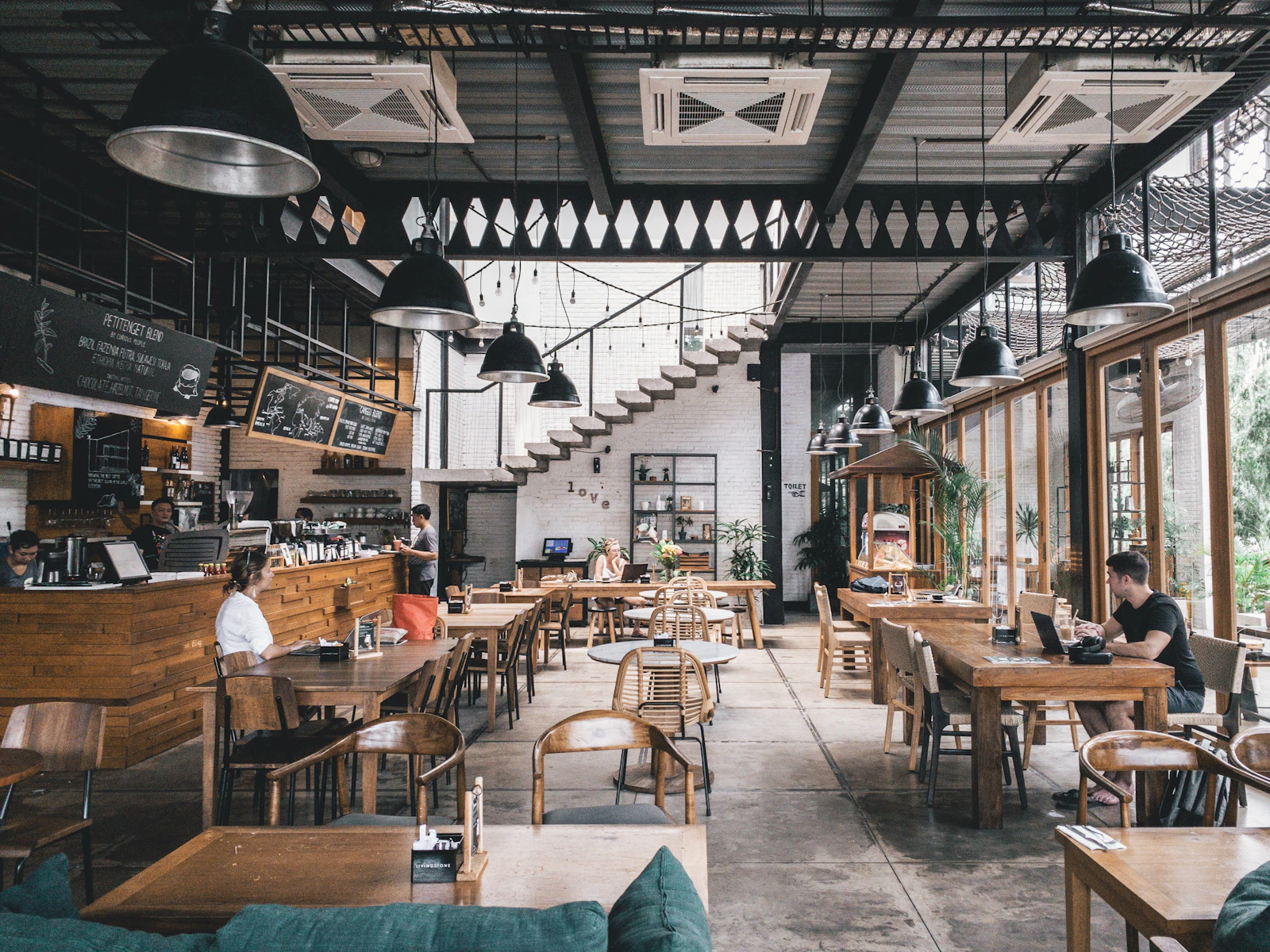
The Rise of Natural Materials
In 2025, the use of sustainable materials in restaurant decoration is rapidly increasing. Natural and renewable resources such as wood, bamboo, cork, and recycled metals create both an eco-friendly and aesthetic atmosphere. These materials add warmth and authenticity to the space, making guests feel connected to nature. Additionally, materials sourced from local suppliers reduce the carbon footprint while giving your business a unique character.
Basic Principles of Biophilic Design
Biophilic design aims to strengthen the human connection with nature. In restaurants, this trend manifests through abundant plants, natural light, water features, and organic forms. For example, living plant walls or hanging ceiling plants add oxygen to the interior while providing a visual feast. Natural stone and wood textures are indispensable elements of biophilic design. This approach positively affects the restaurant experience by lowering guests' stress levels and increasing their sense of comfort.
Sustainable Furniture and Accessories
In furniture selection, recycled or upcycled materials are preferred. Chairs, tables, and lighting fixtures made from waste materials reflect environmental awareness while offering a unique style. Additionally, modular and durable furniture ensures long-term use and prevents waste. In accessories, handmade ceramics, textiles woven from natural fibers, and recycled glass objects stand out. These details add character to the space and help tell your sustainability story.
Energy Efficiency and Smart Systems
Energy-efficient lighting and climate control systems are becoming increasingly common as part of decoration. LED lighting, daylight sensors, and smart thermostats reduce energy consumption while lowering operating costs. Furthermore, renewable energy solutions such as solar panels and rainwater harvesting systems contribute to your restaurant's sustainability goals. These systems show guests that you are an environmentally conscious business while providing long-term savings.
Color Palette and Texture Choices
In 2025 trends, nature-inspired color palettes are at the forefront: calming colors like earth tones, moss green, sand beige, and ocean blue are used. These colors harmonize with biophilic design and bring peace to the space. In textures, rough surfaces, natural stone and wood grains, and soft-touch fabrics are preferred. Metallic accents or vibrant plants can be added for contrast. In color and texture selection, pay attention to reflecting the overall atmosphere and brand identity of the space.
Plant Walls and Vertical Gardens
Plant walls remain popular in restaurants as both decorative and functional elements. Vertical gardens create a spacious atmosphere while improving air quality and taking up little space. Choose low-maintenance plants to create a long-lasting green wall. Additionally, fresh herbs or edible plants used in the kitchen can serve as decorative elements. This provides a visual feast while creating a sustainable resource.
Natural Light and Lighting Strategies
One of the cornerstones of biophilic design is maximizing natural light. Large windows, glass ceilings, or open-air terraces bring daylight indoors. In artificial lighting, use warm white LEDs and dimmer systems to mimic the natural light cycle. Prefer natural materials (bamboo, wood, recycled metal) for lighting fixtures to maintain consistency. Proper lighting directly affects guests' dining experience and changes the perception of the space.
Local and Handmade Decoration Products
An important pillar of sustainable decoration is supporting local producers. Handmade ceramic plates, wooden bowls, or woven napkins sourced from local artisans add originality to your space. At the same time, these products have low transportation costs and carbon footprint. Guests appreciate these details that reflect local culture, increasing their loyalty to your business. You can also highlight these products by organizing workshops or exhibitions.
Design Compatible with Digital Menus
Decoration trends are also integrating with technology. As the use of digital menus increases, elements such as areas for QR codes and charging stations are being planned in restaurant design. By digitizing your menu, you can prevent paper waste and contribute to your sustainability goals. Additionally, these systems make menu updates easier and improve the guest experience. For example, with a platform like qrmenu.link, you can present your menu in multiple languages and commission-free, and position QR codes in harmony with your decoration.
Turn Sustainability into Your Brand Story
Your decoration choices should reflect your restaurant's sustainability vision. Share the story of the materials you use on menu cards or social media to connect with your guests. For example, tell the story of tables made from recycled wood or decorative plants sourced from local farms. This increases trust in your business and attracts environmentally conscious guests. Sustainability is not just a trend but also a long-term business strategy.
Frequently Asked Questions
How is biophilic design applied in restaurants?
Biophilic design is applied using natural materials, plenty of plants, natural light, and water features. You can bring nature indoors with living plant walls, wooden furniture, and large windows in your restaurant.
Is sustainable decoration costly?
Some sustainable materials may be more expensive initially, but costs balance out in the long run through energy savings and durability. Additionally, you can control your budget by using local and recycled materials.
Is plant wall maintenance difficult?
Plant walls can be easily maintained with the right plant selection and an automatic irrigation system. Choose low-maintenance succulents or hardy greenery to reduce workload.
How does using a digital menu contribute to sustainability?
Digital menus eliminate paper and printing waste, offering an eco-friendly solution. They also make updates easier and incur no additional costs for menu changes.
Which colors are trending in restaurant decoration in 2025?
In 2025, nature-inspired colors like earth tones, moss green, sand beige, and ocean blue stand out. These colors create a calm and inviting atmosphere.


