Introduction
One of the biggest challenges for restaurant operators is the discomfort guests experience while waiting for their food. Long wait times reduce customer satisfaction, decrease repeat visits, and even lead to negative reviews. Open kitchen design offers an innovative solution to this problem. Allowing guests to see their meals being prepared perceptually shortens wait time and builds trust through transparency. In this article, we will explore in detail how open kitchen design reduces wait time, implementation steps, and points to consider.
What is an Open Kitchen and Why is it Important?
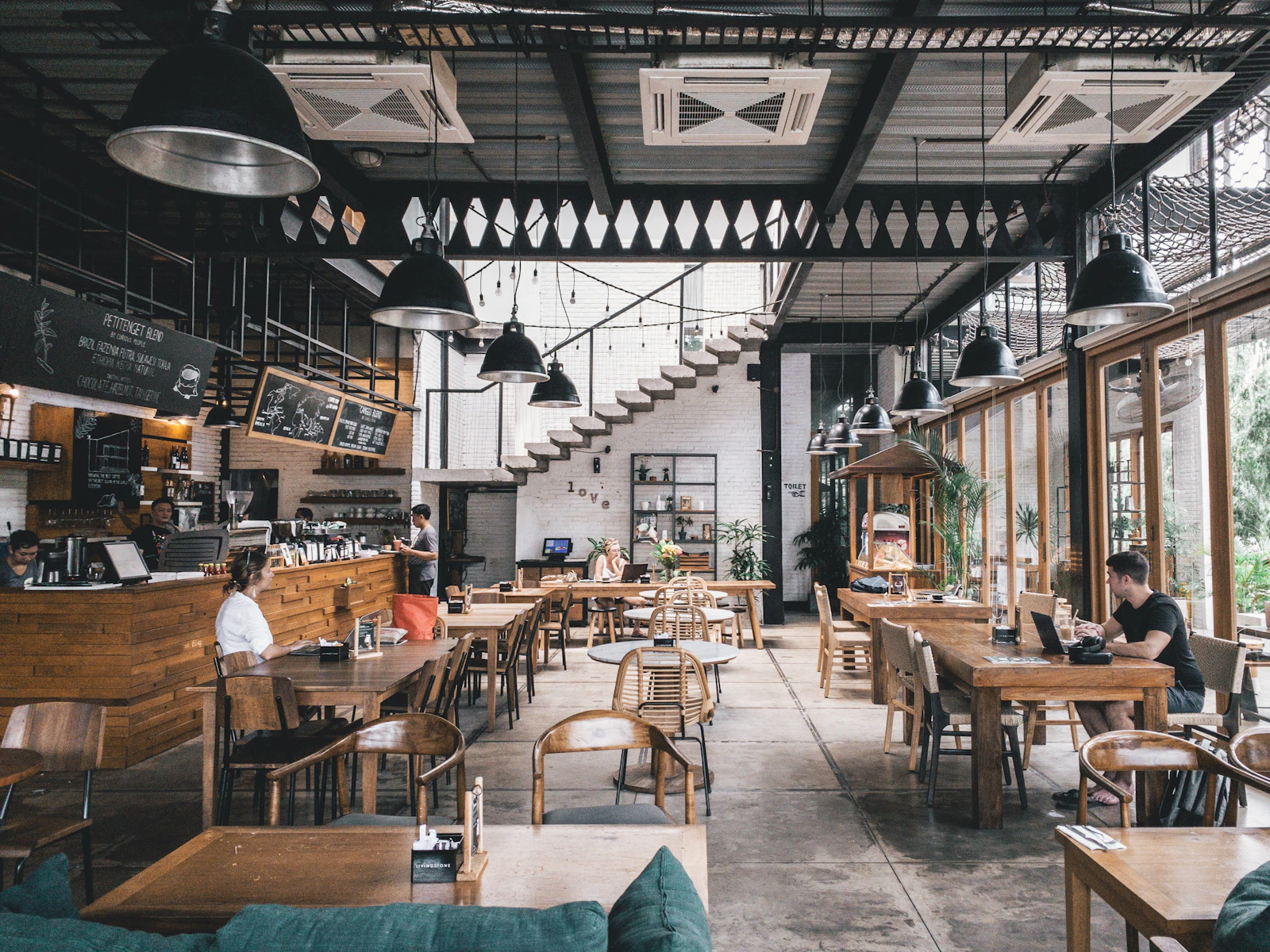
An open kitchen refers to a layout where the kitchen is visible from the dining area. This design allows guests to observe chefs at work, the freshness of ingredients, and hygiene standards. It creates a psychological effect that makes waiting more bearable: people feel time passes faster when watching a process unfold. Additionally, an open kitchen encourages staff to work more carefully and quickly, as they are always in view.
The Role of Open Kitchen Design in Reducing Wait Times
The key to reducing wait time is managing guests' perception of time. Open kitchen provides three main benefits in this regard:
- Visual Show: Watching the food preparation process distracts guests, making wait time feel shorter.
- Transparency and Trust: When guests see their meals prepared in hygienic conditions with fresh ingredients, their patience increases.
- Quick Feedback: Open kitchen facilitates communication between waitstaff and chefs; special requests can be conveyed instantly, and errors are corrected quickly.
These factors increase guest satisfaction even if the actual wait time is not shortened.
Considerations in Open Kitchen Design
For a successful open kitchen, attention should be paid to the following elements:
- Hygiene and Order: The kitchen must always be clean and organized; staff should wear appropriate attire and gloves.
- Noise and Odor Control: Kitchen sounds and smells should not spread into the dining area through proper ventilation and sound insulation.
- Lighting: The kitchen area should be well-lit but not glaring.
- Staff Training: Employees must behave professionally, aware that they are constantly being observed.
Step-by-Step Guide to Implementing Open Kitchen Design
If you want to set up an open kitchen, follow these steps:
- Assess the Existing Space: Determine if you can remove the wall between the kitchen and dining area. Get expert advice for structural changes.
- Plan the Workflow: Ensure optimal visual positioning of chefs, prep stations, and service areas.
- Select Materials and Equipment: Choose stainless steel countertops, transparent glass partitions, and quiet-operating equipment.
- Ventilation and Climate Control: Install a powerful ventilation system to prevent kitchen odors and heat from entering the dining area.
- Conduct a Trial Run: Experience the open kitchen live and resolve any issues.
Integration of Open Kitchen with Digital Menu
When combined with digital menu systems, open kitchen further optimizes wait time. For example, guests accessing the menu via QR code reduces pre-order waiting time. Additionally, images or live streams of dishes prepared in the open kitchen can be displayed on the digital menu to stimulate appetite. This integration enhances both operational efficiency and guest experience.
Successful Open Kitchen Examples and Takeaways
Many restaurants worldwide have managed wait times with open kitchen design. For instance, Italian restaurants showcasing pizza preparation, or Japanese restaurants with teppanyaki shows, entertain guests while they wait. The lesson from these examples: open kitchen is not just a design choice but also a marketing tool. Create a unique show element for your own restaurant.
Common Mistakes and What to Avoid
Common mistakes in open kitchen design include:
- Lack of Hygiene: A messy kitchen leads to loss of trust.
- Inadequate Ventilation: Odors and smoke disturb guests.
- Overcrowding: Too many staff in the kitchen creates a chaotic appearance.
- Communication Breakdown: Without an effective communication system between waitstaff and kitchen, errors increase.
Avoid these mistakes to make your open kitchen efficient and enjoyable.
Conclusion: Manage Wait Times with Open Kitchen
Open kitchen design is an effective way to reduce guest wait times. Through transparency, visual show, and quick communication, your guests will not get bored while waiting; instead, they will enjoy it. When implementing this design, pay attention to hygiene, ventilation, and staff training. Support the process with technologies like digital menus for further improvement. Remember, the more transparent you make your kitchen, the more your guests' trust and patience will increase. Consider open kitchen design to manage wait times and improve guest experience in your restaurant.
Frequently Asked Questions
Is open kitchen design suitable for every restaurant?
Open kitchen is especially suitable for restaurants with high hygiene standards and a focus on staff training. However, if the kitchen space is very small or there are significant odor/noise issues, challenges may arise. It should be evaluated according to each restaurant's concept and physical conditions.
Does an open kitchen actually shorten wait time?
An open kitchen does not shorten actual preparation time, but it changes guests' perception of time. Watching the food being prepared makes the wait feel shorter and increases satisfaction. Additionally, transparency encourages staff to work faster.
How is hygiene maintained in an open kitchen?
For hygiene, the kitchen should be cleaned regularly, and staff should use protective equipment such as hairnets, gloves, and aprons. Raw and cooked foods should be handled in separate areas, and the ventilation system should be adequate. Visible hygiene rules in the open kitchen also increase guest trust.
Is open kitchen design costly?
Open kitchen design may require reconfiguring the existing kitchen and can incur additional initial costs. However, in the long run, it can offset these costs by improving guest satisfaction and operational efficiency. Partial open kitchen solutions are also possible for small-scale restaurants.
What equipment should be used in an open kitchen?
Stainless steel countertops, transparent glass partitions, quiet hoods, and high-performance ventilation systems should be preferred. Additionally, appropriate lighting and camera systems for visual show can be considered.


