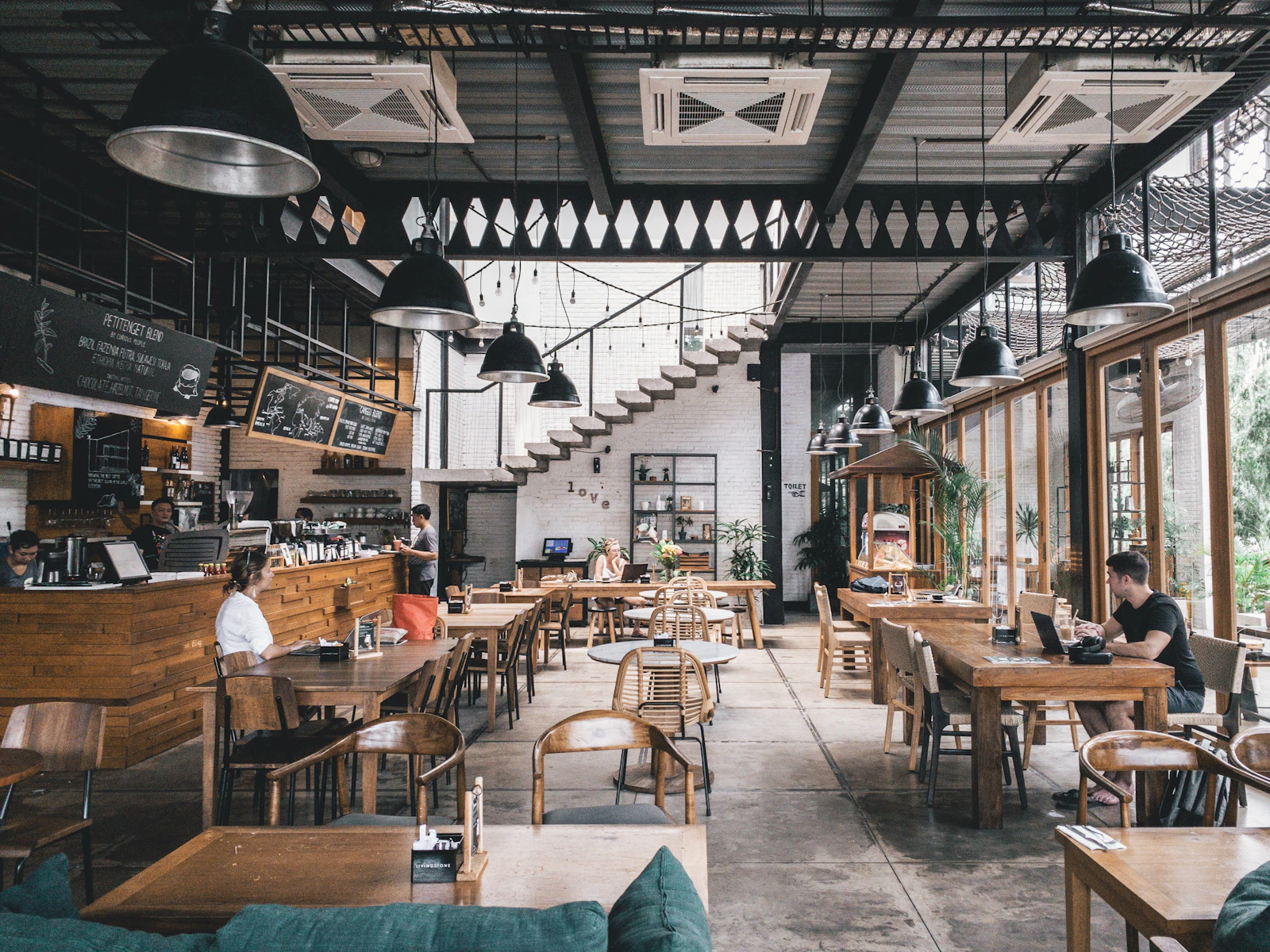
Introduction
Opening a coffee chain starts with choosing the right location. A wrong location can overshadow even the best coffee and service. In this article, we discuss 10 common location mistakes entrepreneurs make and how to avoid them.
1. Misjudging Pedestrian Traffic
Is a street with high pedestrian traffic always good? No. What matters is whether the passersby are your target audience. For example, an area with many office workers may be busy in the morning and at lunchtime but empty in the evenings. Also, the flow speed of pedestrians is important: a fast-walking crowd may not be willing to stop for coffee.
2. Skipping Competitive Analysis
If there are three other coffee shops on the same street, what will be your difference? Businesses that open without analyzing competition often end up in price wars or struggle to find customers. Examine the menus, prices, and customer profiles of competitor locations. Find their weaknesses and position yourself accordingly.
3. Ignoring Visibility and Accessibility
People passing by your shop need to notice you. Trees, sign restrictions, or narrow sidewalks can reduce visibility. Also, parking or proximity to public transport is critical for customers arriving by car. A good location should be accessible to both pedestrians and vehicles.
4. Overestimating Rent Costs
Paying high rent on a prestigious street can strain your revenue. Rent should not exceed 10-15% of expected sales. Research areas with lower rent but high potential. Remember, high rent does not always mean high customer traffic.
5. Neglecting Demographic Structure
Your coffee chain should match the age, income, and lifestyle of the surrounding population. For example, selling premium coffee in a student-heavy area may be difficult. Research the coffee consumption habits and spending power of local residents. You can use surveys or local data.
6. Not Accounting for Future Developments
A place that is quiet today could turn into a shopping center by the end of the year, or vice versa. Follow municipal zoning plans, new projects, and transportation lines. Entering high-potential growth areas early provides an advantage.
7. Choosing Without Defining Your Target Audience
Who is your target audience? Employees, students, families? The location should appeal to this audience. For instance, in an office area, fast service and takeaway options stand out, while in a residential area, seating space and a child-friendly environment are important.
8. Focusing Only on the Summer Season
A beach street that is crowded in summer may be quiet in winter. Investing without considering seasonal fluctuations can lead to losses for most of the year. Choose a location that can sustain you year-round or develop a seasonal strategy.
9. Insufficient Physical Space
A small space limits storage, kitchen, and seating arrangements. Choose a place large enough to accommodate customer flow and operational needs. Also, if you have future expansion plans, look for a space that allows for that.
10. Neglecting Digital Menu and QR Code Systems
Modern coffee chains reduce costs and improve customer experience with digital menus. For example, with a QR menu system like qrmenu.link, you can instantly update your menu, offer multilingual support, and eliminate printed menu costs. When choosing a location, selecting a place that supports such digital infrastructure also provides long-term advantages.
Conclusion
Finding the right location for your coffee chain requires research and analysis. By avoiding these 10 mistakes, you can lay the foundation for a successful venture. Remember, the right location combined with the right customers and strategy helps your business grow. To simplify your operations with digital menu solutions, check out qrmenu.link.
Frequently Asked Questions
How to determine the best location for a coffee chain?
The best location is one where your target audience is concentrated, accessible to pedestrians and vehicles, has high visibility, and has rent that fits your revenue. Make the right decision by conducting competitive analysis and demographic research.
How much should rent cost?
Rent should not exceed 10-15% of your expected monthly sales. High rent reduces your profit margin. Consider areas with lower rent but high potential.
Is pedestrian traffic always good?
No, the quality of pedestrian traffic is important. A crowd that does not match your target audience may not convert into sales. Also, consider pedestrians' walking speed and stopping habits.
Does a digital menu system affect location selection?
It can indirectly affect it. A digital menu system offers advantages like menu updates and multilingual support. If you plan to use such a system, it is beneficial to choose a location with suitable technical infrastructure.


