Chaos in the kitchen during rush hours is one of the biggest challenges for a restaurant. Orders pour in, everyone panics, and mistakes multiply. But with the right time management tactics, you can turn this chaos into a controlled flow. Here are 10 effective strategies that increase kitchen efficiency and directly impact your business profitability.
1. Mise en Place: Everything in Its Place
The golden rule of professional kitchens, "mise en place" (putting everything in its place), means preparing all ingredients before rush hours. Vegetables should be chopped, sauces ready, portions separated. This way, you don't waste time looking for ingredients when an order comes in. Create daily prep lists and clarify each chef's responsibilities.
2. Station Layout and Workflow Planning
Organize your kitchen according to workflow: entry, preparation, cooking, cold section, and service areas should be arranged in a logical order. Each station should have the necessary tools within reach. Design one-way traffic to prevent cross-traffic. This reduces movement and saves time.
3. Order Prioritization and Batching
Instead of trying to handle all orders at once, group dishes with similar cooking times. For example, fry all fried items together, grill all grilled items in one batch. Also, prioritize quick-to-serve orders (salads, cold appetizers) to reduce customer wait time. Using color coding on the order screen makes this easier.
4. Parallel Work and Task Distribution
Instead of each chef handling multiple tasks simultaneously, apply parallel work principles. For instance, while one chef prepares sauces, another finishes garnishes. Distribute tasks clearly so everyone knows their responsibilities. Use weekly rotation to ensure everyone is familiar with every station, gaining flexibility.
5. Smart Use of Technology
Manual order transmission during rush hours is a waste of time. With kitchen display systems (KDS), orders instantly appear in the kitchen, eliminating paper tickets. Additionally, inventory tracking software sends automatic alerts when ingredients run low. Digitizing menu management also speeds things up; for example, with a system like qrmenu.link, menu updates are made instantly, and guests can order from their own phones, reducing waiter-kitchen traffic.
6. Standardize Preparation Times
Standardize the recipe and preparation time for each dish. It's inefficient if chefs take different times to prepare the same dish. Conduct time studies to determine the ideal time for each plate and post it visibly in the kitchen. Also, create standard recipes for components like sauces and marinades that can be prepared in advance.
7. Pre-Rush Meeting
Hold a brief team meeting 15 minutes before service starts. Discuss the daily specials, potential issues, and missing ingredients. Confirm everyone's role. This meeting strengthens team spirit and reduces surprises. Also, add a short motivational speech to boost morale.
8. Emergency Plan and Backup
Equipment failure or staff absence during rush hour can cause major disruptions. Create backup plans in advance: backup stoves, a list of backup chefs, even alternative menu items. Stock extra critical ingredients. Also, ensure everyone is capable of taking over another task besides their primary duties.
9. Continuous Improvement: Data-Driven Decisions
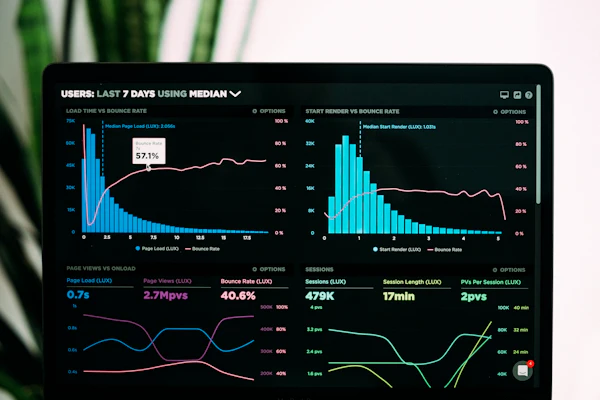
After each rush hour, conduct a brief evaluation: Which dishes were ordered most? Which station caused a bottleneck? How long were order times? Collect this data to improve your menu and processes. For example, you might remove a dish that takes too long or change its preparation stage.
10. Team Communication and Stress Management
During rush hours, communication should be clear and concise. Use standard terms like "Behind", "Okay", "Hot". Instead of shouting in a noisy environment, consider in-kitchen intercoms or headset systems. Also, manage stress with short breaks and breathing exercises. Using positive language in the kitchen keeps team morale high.
When you start implementing these tactics, you'll see increased efficiency during rush hours and higher customer satisfaction. Remember, time management in the kitchen is not just about speed, but also about quality and consistency. You can take this process further with digital transformation; for example, with qrmenu.link, you can update your menu instantly and accept orders via QR code, lightening the load for both kitchen and service staff.
Frequently Asked Questions
What is the most common time waste in the kitchen during rush hours?
The most common mistake is searching for ingredients and tools. Applying the mise en place principle and preparing everything in advance greatly reduces this waste.
How do you batch orders?
Cook dishes with similar cooking times together. For example, fry all fried items in one batch, grill all grilled items in another. Also, prioritize quick-to-serve cold dishes.
How does technology increase kitchen efficiency?
Kitchen display systems (KDS) transmit orders instantly, eliminating paper tickets. Additionally, QR menu systems allow guests to place their own orders, reducing traffic between waitstaff and kitchen.
How can I improve team communication?
Establish standard short commands (e.g., 'Behind', 'Okay'). Use in-kitchen headsets or intercoms if possible. Also, hold brief pre-service meetings to clarify everyone's role.
What do you recommend for inventory management during rush hours?
Stock extra critical ingredients and use inventory tracking software for automatic alerts. Also, keep ingredients for the most ordered dishes prepared in advance.