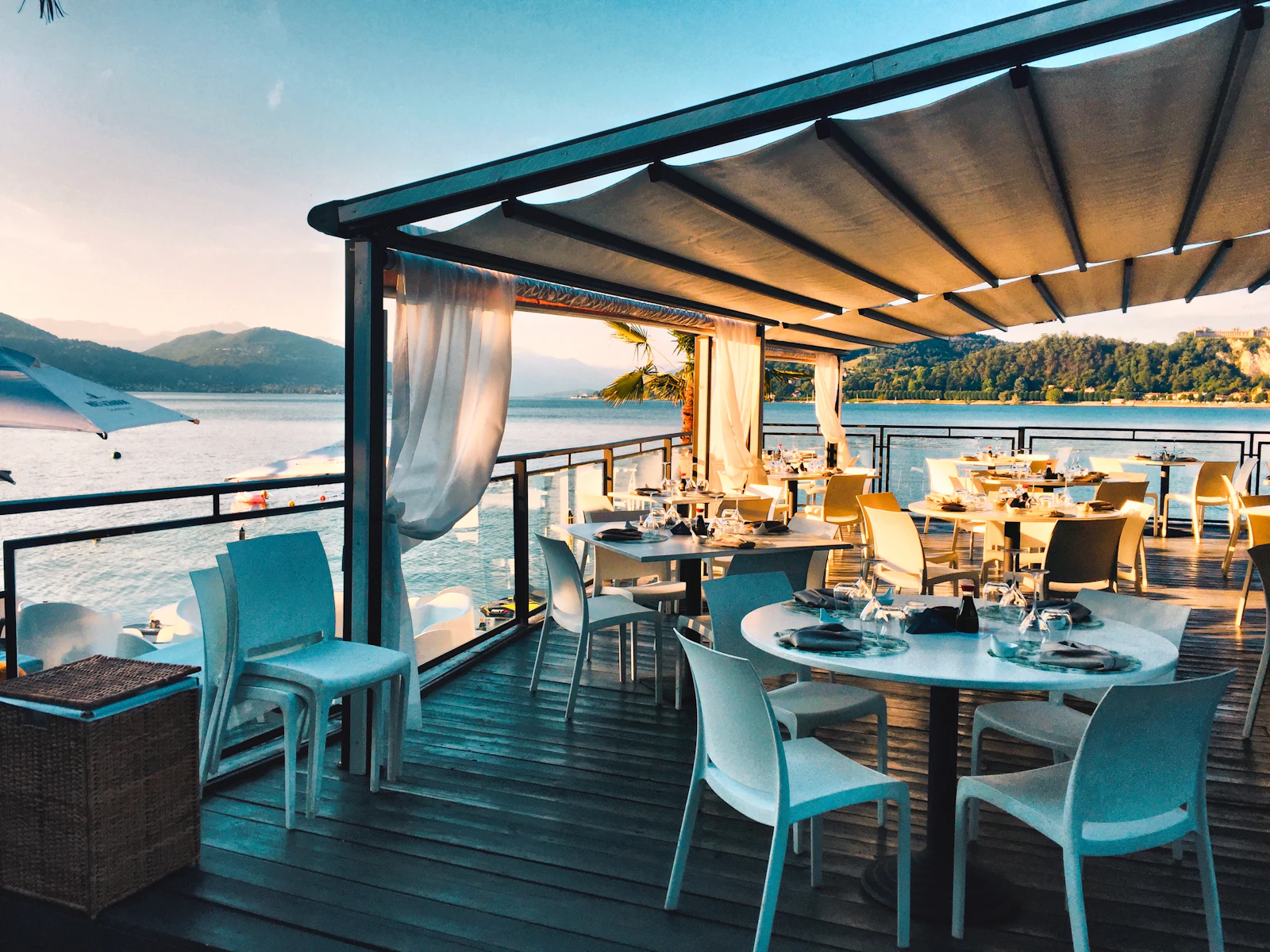
The Power of Colors: Why Color Psychology Matters in Restaurant Decoration
When you step into a restaurant, the color of the walls, the tone of the furniture, and the warmth of the lighting unconsciously influence your feelings and even your eating habits. Color psychology is an often overlooked element in restaurant design that directly shapes the customer experience. The right color palette can boost appetite, encourage guests to stay longer, and strengthen brand perception. In this article, we will explore which colors stimulate appetite, which colors to avoid, and how to use colors strategically from a scientific and practical perspective.
Red: The Color of Appetite and Action
Red is one of the most powerful stimulants in color psychology. It increases heart rate, accelerates blood circulation, and creates a sense of urgency. Have you ever wondered why fast-food restaurants often use a combination of red and yellow? Red triggers appetite and helps customers eat faster, thus enabling quicker table turnover. However, be cautious: too much red can create an aggressive atmosphere and make guests feel uncomfortable. Using red as an accent color (e.g., on a section of the wall, chairs, or plates) is the most effective approach.
Yellow: Happiness and Attention-Grabbing
Yellow evokes sunlight and happiness. It is thought to have a direct effect on appetite because it triggers the brain to release serotonin, creating a feeling of pleasure. Additionally, yellow is an attention-grabbing color and can direct customers to specific items when used on menu boards, signs, or decorative accessories. However, avoid overly bright shades; excessive yellow can cause eye strain and leave a negative impression. Softer tones like pastel or mustard yellow create a warm and inviting environment.
Orange: Warmth and Sociability
Orange combines the energy of red with the cheerfulness of yellow. It stimulates appetite and encourages social interaction. It is ideal for family restaurants, cafes, and casual dining venues. Orange is often preferred in autumn-themed decorations or places serving Mediterranean cuisine. Instead of using it as a main wall color, incorporating orange in details like cushions, napkins, or artwork yields a more balanced result.
Green: Naturalness and Freshness
Green symbolizes nature, freshness, and healthy living. It is an excellent choice for salad bars, vegetarian restaurants, or organic cafes. Green is easy on the eyes and has a calming effect, making it useful in venues where you want customers to stay longer. However, be careful: very dark shades of green (e.g., olive green) may evoke associations with mold or illness for some people. Mint green, leaf green, or light green tones are more refreshing and appetite-stimulating.
Blue: A Color to Use with Caution
Blue conveys calmness and trust. However, it is known to have a suppressing effect on appetite; blue foods are rare in nature, so the brain does not associate blue with appetite. Therefore, it is generally recommended to avoid blue as a main decoration color. Nevertheless, blue can be used in a seafood restaurant or for a specific theme; in such cases, it is important to balance it with warm tones. For example, you can create contrast by using orange or yellow accessories next to a blue wall.
White and Neutral Tones: Cleanliness and Freshness
White conveys cleanliness, simplicity, and freshness. It is frequently used in modern restaurant designs. However, an all-white space can feel cold and sterile. To prevent this, soften white with wood textures, plants, or warm-colored accessories. Neutral tones like beige, cream, and gray can be easily combined with other colors and offer timeless elegance. Neutral backgrounds make the food on the menu stand out, which is especially advantageous for customers who love taking photos.
Color Combinations and Strategic Usage Tips
In restaurant decoration, colors should be considered as a whole, not individually. Here are some strategic tips to consider:
- Brand Identity: Your color palette should align with your restaurant's concept. For example, an Italian restaurant might use warm red and green tones, while a sushi restaurant can achieve a modern look with black, white, and red.
- Space Size: In small spaces, light and pastel tones make the area appear larger. In large spaces, dark and warm colors create an intimate atmosphere.
- Lighting Harmony: Colors are perceived differently depending on the type of lighting. Warm yellow light makes red and orange appear more vibrant, while cool white light highlights blue and green.
- Accent Walls: Painting one wall a bold color (e.g., burgundy or mustard yellow) creates a focal point and adds character to the space.
- Menu Design: If you use a digital QR menu, the color scheme of your menu should also harmonize with the venue's decoration. For example, with a system like qrmenu.link, you can easily update your menu and customize colors according to your brand.
Remember, colors are effective not only on walls but also on furniture, textiles, plates, and even napkins. Small touches can make a big difference.
Colors to Avoid in Color Psychology
Some colors can lead to undesirable effects in a restaurant environment. For example:
- Purple: Although it often represents nobility and luxury, excessive use can create a depressive atmosphere. Additionally, purple is a rare food color in nature, so it may suppress appetite.
- Gray: Too much gray makes the space look gloomy and cold. If you use gray, be sure to balance it with warm tones.
- Black: Black can be a stylish and modern choice; however, too much black can make the space feel small and gloomy. It is better to use black as an accent color.
Also consider your target audience when choosing colors. If you cater to a young crowd, vibrant colors are suitable; for a family restaurant, warm and soft tones are more appropriate.
Conclusion: Transform the Customer Experience with Colors
Color psychology in restaurant decoration is a powerful tool to increase customer satisfaction and sales. While red, yellow, and orange stimulate appetite, green gives a sense of freshness. Colors like blue and purple should be used carefully. Neutral tones always provide a safe foundation. Remember, your menu is also part of your decoration. With a digital QR menu, you can continuously update your menu, saving costs while maintaining color harmony. For example, with a platform like qrmenu.link, you can easily manage your menu, offer multilingual options, and provide a modern experience for your guests. Discover the power of colors and take your restaurant to the next level.
Frequently Asked Questions
Which colors stimulate appetite in restaurant decoration?
Red, yellow, and orange are the colors that most stimulate appetite. Red increases heart rate and creates a sense of urgency, yellow triggers the happiness hormone, and orange adds warmth and sociability. It is important to use these colors in a balanced way.
Why is blue not recommended in restaurants?
Blue is rarely found as a food color in nature, so the brain does not associate it with appetite. Although it has a calming effect, it can suppress appetite. It can be used in thematic venues like seafood restaurants but should be balanced with warm tones.
Which colors are more suitable for a small restaurant?
In small spaces, light and pastel tones (white, cream, light gray, mint green) make the area appear larger and more spacious. Using warm colors as accents adds character to the space.
What role does lighting play in color selection?
Lighting directly affects how colors are perceived. Warm yellow light enlivens red and orange; cool white light highlights blue and green. It is recommended to test your color palette with the type of lighting you use.
Should digital menu colors match the restaurant decoration?
Yes, the colors of a digital menu (QR menu) should also be in harmony with the overall design of the venue. A consistent color palette strengthens brand perception and improves the customer experience. Platforms like qrmenu.link offer the ability to customize menu colors.


