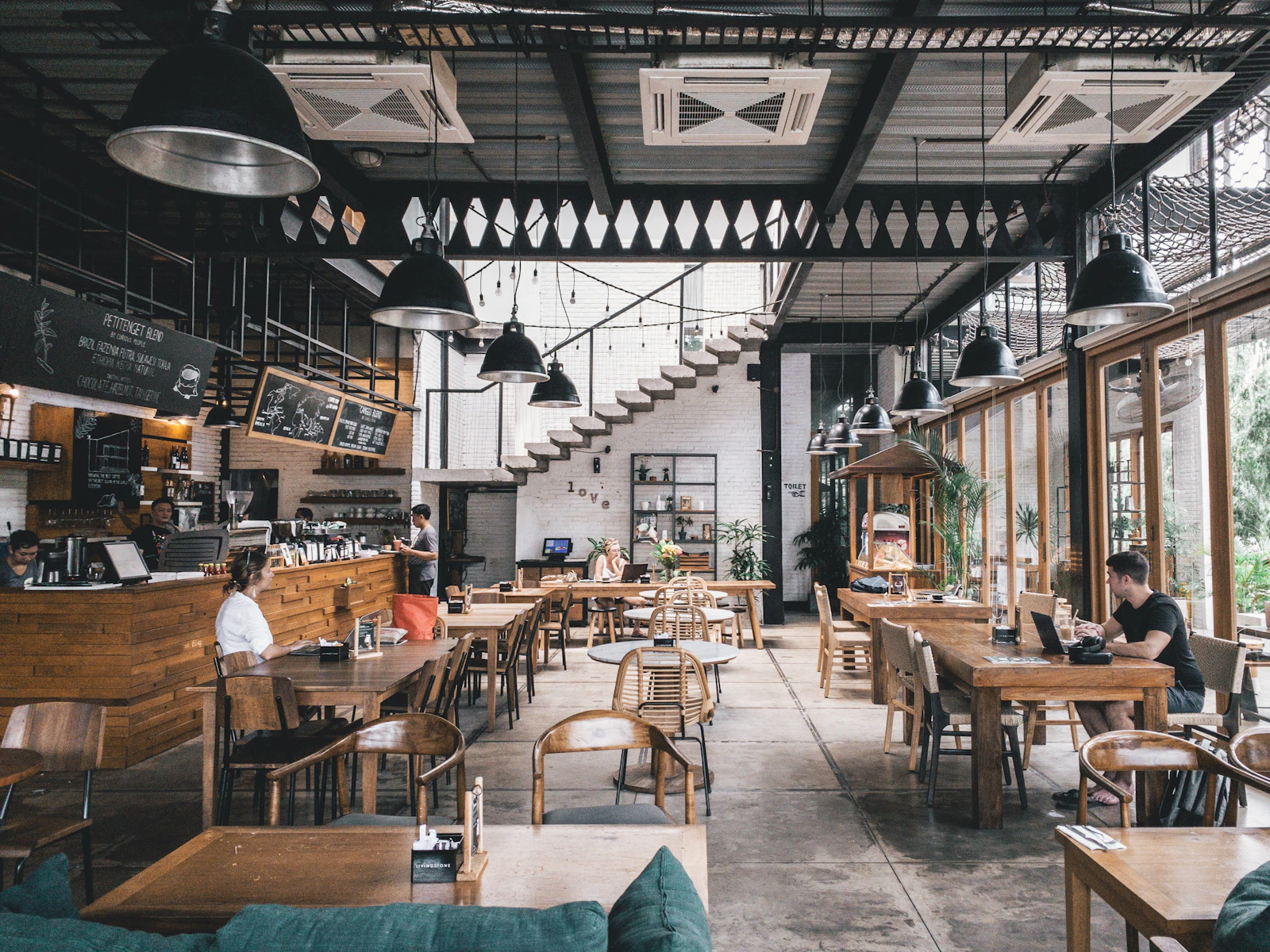
Why Is Sustainable Decoration Important?
Environmental sustainability in the restaurant industry is becoming central to customer expectations. Today's guests are looking for businesses that are not only delicious but also environmentally conscious. Choosing sustainable materials in decoration not only reduces your carbon footprint but also strengthens your brand image. While contributing to the conservation of natural resources, you can also lower your operating costs in the long run.
Wood and Bamboo: The Best Options Nature Offers
Wood is one of the most popular sustainable materials in restaurant decoration. However, the key point is that the wood used comes from certified sources (such as FSC). Bamboo, on the other hand, is a renewable alternative due to its fast growth. It can be used for furniture, flooring, or accessories. Wood and bamboo products create a warm atmosphere with their natural textures and are also very easy to maintain.
- Choose FSC-certified wood.
- Bamboo tables and chairs are long-lasting.
- You can make decorative wall panels from recycled wood pallets.
Creative Solutions with Recycled Materials
Recycled materials offer both economical and environmentally friendly options in restaurant decoration. Old glass bottles can be used as chandeliers, and shelving systems can be created from metal pipes. Additionally, furniture made from recycled plastic is durable and lightweight. Such materials give your business a unique character.
- Convert old wooden crates into storage units.
- Use countertops made from recycled glass.
- Sew tablecloths or napkins from waste fabrics.
Energy Efficiency and Lighting Options
Sustainable decoration is not limited to material selection. Energy-efficient lighting systems reduce electricity consumption and lower environmental impact. LED bulbs use 80% less energy than traditional bulbs. You can also opt for large windows and light-colored walls to maximize natural light. With smart lighting systems, you can automatically dim lights to save energy.
Water-Saving Fixtures and Materials
Water consumption is a significant environmental factor in restaurants. Low-flow faucets and showerheads can reduce water usage by 30-50%. Additionally, permeable floor coverings allow rainwater to naturally seep into the ground. Using water-saving fixtures in bathrooms and kitchens lowers bills and contributes to the environment.
Advantages of Local and Natural Materials
Using local materials reduces carbon emissions from transportation. Moreover, natural stones, ceramics, or woods specific to your region add an authentic touch to your restaurant. For example, natural stone from a local quarry offers both durability and a unique appearance. Working with local suppliers also supports the local economy.
Sustainable Paints and Coatings in Decoration
Paints and coatings directly affect indoor air quality. Paints with low VOC (volatile organic compounds) provide a healthy environment. Natural lime-based paints or vegetable oil-based varnishes are chemical-free and environmentally friendly. Additionally, wall coverings made from natural materials like cork or moss provide insulation while adding an aesthetic look.
Waste Management and Recycling Corners
A sustainable restaurant decoration should also include waste management. You can aesthetically decorate recycling bins for guests to use. You can also create an area in the kitchen for composting organic waste. Encourage recycling with decorative labels and color coding. This shows your customers your environmental awareness.
Reducing Paper Consumption with Digital Menus
Sustainability is not limited to decoration materials; menu presentation is also an important factor. Instead of printing paper menus, you can prevent paper waste by using digital solutions like QR menus. This allows instant menu updates and eliminates printing costs. Digital menus are not only hygienic but also an environmentally friendly choice. For example, with platforms like qrmenu.link, you can easily digitize your menu, saving time and contributing to the environment.
Conclusion: Make a Difference with Sustainable Decoration
Choosing sustainable materials in restaurant decoration not only reduces environmental impact but also provides a competitive advantage for your business. When your customers see that you are environmentally conscious, they become more loyal to your brand. You can create a sustainable restaurant with steps like wood, recycled materials, energy efficiency, and digital menus. Remember, every small change makes a big difference. If you want to reduce paper consumption by switching to a digital menu, you can easily manage your menu with qrmenu.link at an affordable annual fee.
Frequently Asked Questions
What is the cost of using sustainable materials in restaurant decoration?
Sustainable materials may be slightly more expensive initially, but costs decrease in the long run thanks to energy and water savings. Additionally, recycled materials are often more economical.
Which sustainable materials are most durable for restaurant furniture?
FSC-certified wood and bamboo are quite durable. Recycled metal and plastic are also long-lasting options.
How does switching to a digital menu benefit the environment?
Digital menus prevent paper waste and reduce the energy used for printing. Also, updates are made instantly, so there is no need for constant reprinting.
Which fixtures should I use to save water in my restaurant?
Low-flow faucets and sensor-operated taps significantly reduce water consumption. Water-saving toilet tanks are also an effective solution.
How does sustainable decoration affect the customer experience?
Eco-friendly decoration increases customers' trust in your business and strengthens your brand image. Natural materials create a warm atmosphere, making guests feel better.


