Ranking on Google's first page is one of the most effective ways to increase your restaurant's visibility. Potential customers often use search engines when looking for a place to eat. If your restaurant doesn't appear at the top of search results, you're missing a big opportunity. In this guide, we'll walk you through 9 steps to get your restaurant on Google's first page.
1. Optimize Your Google My Business Profile
The foundation of local SEO is your Google My Business (GMB) profile. Fill out your profile completely: restaurant name, address, phone number, business hours, website, and categories. Add your menu, photos, and services. Be sure to respond to customer reviews—thank positive ones and handle negative ones professionally. The more complete and up-to-date your GMB profile is, the more trustworthy Google finds you, boosting your ranking.
2. Target Local Keywords
Research which terms your target audience uses. Identify local keywords like "best pizza in Istanbul" or "Ankara cafe recommendations." Use these keywords naturally in your website's title tags, meta descriptions, headings, and content. Since Google prioritizes businesses close to the user's location, local keywords are critical.
3. Create a Mobile-Friendly and Fast Website
A large portion of restaurant searches happen on mobile devices. Your website must be mobile-friendly and load quickly. Google prioritizes mobile-friendly sites in search results. To improve site speed, optimize images, remove unnecessary plugins, and use caching. A fast site improves user experience and reduces bounce rates.
4. Digitize Your Menu and Add Structured Data
Publish your menu on your website and mark it up with structured data (Schema markup) that Google can understand. This allows your menu items, prices, and calorie information to appear as rich snippets in search results. A digital menu lets customers decide what to eat before they arrive. You can also use tools like qrmenu.link to easily manage and update your menu in multiple languages, saving time and improving customer experience.
5. Produce Quality and Regular Content
Create original content such as blog posts, recipes, or your restaurant's story. Choose topics like "Best Breakfast Ideas" or "Seasonal Menu Suggestions." Regular content updates signal to Google that your site is current and increases your authority. Also, mention local events or collaborations in your content to build local connections.
6. Build Local Backlinks
Get backlinks from other businesses in your area, local news sites, or blogs. For example, invite a food blogger to your restaurant and have them write about it. Sponsoring local events is also an effective way to earn backlinks. Quality local backlinks increase your site's credibility in Google's eyes.
7. Manage User Reviews
Customer reviews are critical for both ranking and conversions. Encourage customers to leave reviews on platforms like Google, Yelp, and Tripadvisor. Respond to reviews quickly and politely. Address negative reviews constructively—this shows professionalism to other users. As the number and quality of reviews increase, your Google ranking will improve.
8. Be Active on Social Media
Regularly update your social media accounts and engage with followers. Share food photos, videos, and promotions on platforms like Instagram, Facebook, and TikTok. While social media signals aren't direct ranking factors, they increase brand awareness and drive traffic to your website. Additionally, content shared on social media can be considered backlinks.
9. Analyze and Improve Your Performance
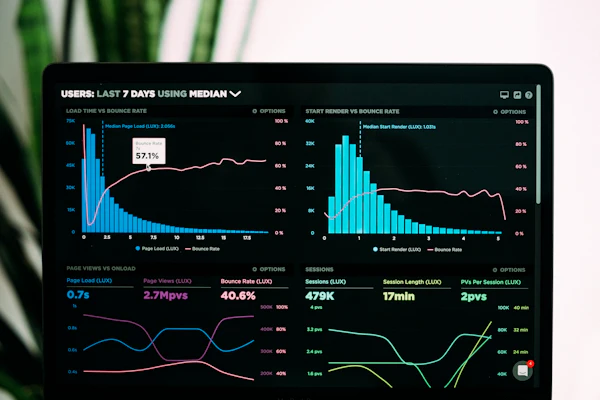
Regularly track the results of your SEO efforts. Use Google Search Console and Google Analytics to analyze which keywords drive traffic, which pages are popular, and user behavior. Update your strategy based on data. For example, if a specific dish page gets many visits, optimize it further. Continuous improvement brings long-term success.
By following these 9 steps, you can get your restaurant on Google's first page and attract more customers. Remember, SEO requires patience and consistency. Improving customer experience with digital menus and QR code solutions indirectly boosts your ranking. For instance, using a service like qrmenu.link allows you to easily manage your menu, offer multilingual options, and provide hassle-free access to customers. Such tools enhance user satisfaction and strengthen your site's authority.
Frequently Asked Questions
What is the most important factor for restaurant SEO?
The most important factor is having a complete and up-to-date Google My Business profile. In local searches, the GMB profile directly affects ranking. Additionally, mobile-friendliness and speed are critical.
How does digitizing my menu contribute to SEO?
When your digital menu is marked up with structured data on your website, it can appear as rich snippets in Google. This increases click-through rates and improves user experience. It also makes menu updates easier.
How can I get local backlinks?
You can get backlinks by sponsoring local events, collaborating with food bloggers, or getting featured on local news sites. Also, exchanging links with suppliers or neighboring businesses is an effective method.
Why is mobile-friendliness so important?
A large portion of restaurant searches are done on mobile devices. Google prioritizes mobile-friendly sites in search results. A site that isn't mobile-friendly worsens user experience and lowers your ranking.
When will I start seeing SEO results?
SEO typically starts showing tangible results within 3-6 months. However, this depends on competition and the intensity of your efforts. Regular, quality content production can speed up results.