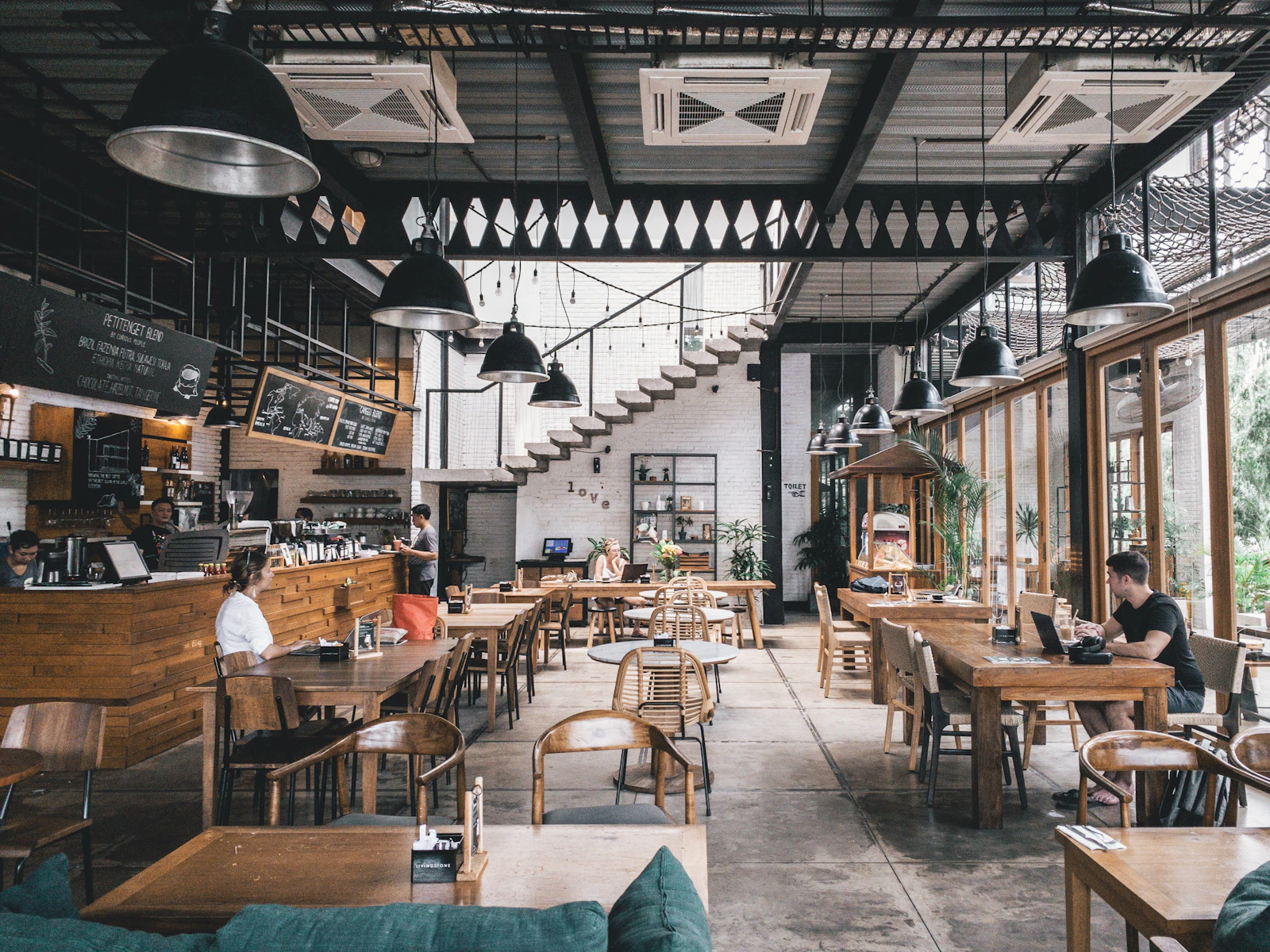
One of the biggest expense items in restaurant management is energy costs. Lighting, heating, cooling, and kitchen equipment run continuously, and bills can quickly add up. However, with the right strategies, it is possible to significantly reduce these costs. LED lighting and smart thermostats offer solutions that are both environmentally friendly and budget-friendly. In this article, we will detail the steps you can take to increase energy efficiency in your restaurant.
Understanding Energy Costs
In restaurants, the majority of energy consumption comes from kitchen equipment, refrigeration, and lighting. Heating and cooling also account for a significant share. The first step is to analyze your current consumption. Review your bills to identify which areas consume more energy. This data will help you prioritize investments.
Switching to LED Lighting
Using LED lighting instead of traditional bulbs can reduce energy consumption by up to 80%. LEDs produce less heat, which eases the load on air conditioning during summer months. Additionally, they have a much longer lifespan, reducing maintenance and replacement costs. To maintain your restaurant's ambiance, you can opt for dimmable LEDs. Using warm white light in dining areas and cool white light in the kitchen saves energy while creating the right atmosphere.
- LED bulbs: Long-lasting and low energy consumption.
- Dimmer switches: Adjust light levels according to the time of day.
- Motion sensors: Automatic shut-off in low-traffic areas like restrooms and storage.
Using Smart Thermostats
Heating and cooling are among the largest energy expenses for your restaurant. Smart thermostats automatically adjust the temperature, preventing unnecessary energy consumption. With programmable features, they maintain the ideal temperature during operating hours and switch to energy-saving mode when closed. Additionally, remote control allows the owner or manager to adjust the temperature from their phone.
- Scheduling: Automatic adjustments based on opening and closing hours.
- Zone control: Separate temperature settings for different areas (kitchen, dining room, office).
- Remote access: Mobile app for real-time changes.
Efficiency in Kitchen Equipment
The kitchen is the area that consumes the most energy in a restaurant. Purchasing energy-efficient equipment saves significantly in the long run. Energy Star-rated refrigerators, ovens, and stoves use less electricity. Regular maintenance of equipment is also important: cleaning filters, checking seals, and following proper usage instructions prevent energy loss.
Natural Lighting and Insulation
Taking advantage of natural light as much as possible reduces the need for artificial lighting. Large windows and light-colored walls reflect daylight indoors. Similarly, good insulation lowers heating and cooling costs. Use insulation materials on roofs, walls, and windows to minimize energy loss.
Staff Training and Habits
Energy saving is not just about equipment; staff habits also play a major role. Train your employees on energy conservation. Simple steps like turning off unused lights and not running equipment unnecessarily can make a difference. Also, assign someone responsible for tracking energy consumption and provide regular reports.
Return on Investment
Solutions like LED lighting and smart thermostats may seem costly initially, but they pay for themselves in the long run. With lower energy bills, you typically recoup your investment within 1-2 years. Additionally, many countries offer energy efficiency incentives and tax deductions. Research these opportunities to reduce upfront costs.
Reducing energy costs not only increases your restaurant's profitability but also contributes to environmental sustainability. LED lighting and smart thermostats are easy-to-implement and effective solutions. You can also optimize operational costs by digitizing menu management. For example, with commission-free QR menu systems like qrmenu.link, you can eliminate paper and printing costs and update menus instantly. This way, you can lower both energy and operational costs.
Frequently Asked Questions
How much savings can switching to LED lighting provide?
LED bulbs consume up to 80% less energy than traditional incandescent bulbs. Additionally, their lifespan is 25 times longer, reducing maintenance and replacement costs.
Is installing a smart thermostat complicated?
Smart thermostats are generally compatible with existing systems and installation is simple. Most models can be controlled remotely via user-friendly mobile apps.
Are energy-efficient equipment expensive?
Initial costs may be higher than standard equipment, but they pay for themselves in the long run through energy savings. Government incentives and tax deductions are also available.
How can I train staff on energy conservation?
Prepare a simple training program covering topics like turning off unused lights and using equipment correctly. Visual reminders showing energy consumption can also be effective.
What changes can I make for natural lighting?
Enlarging windows, using light-colored curtains, and painting walls in light colors help maximize daylight. Skylights also increase natural light intake.


