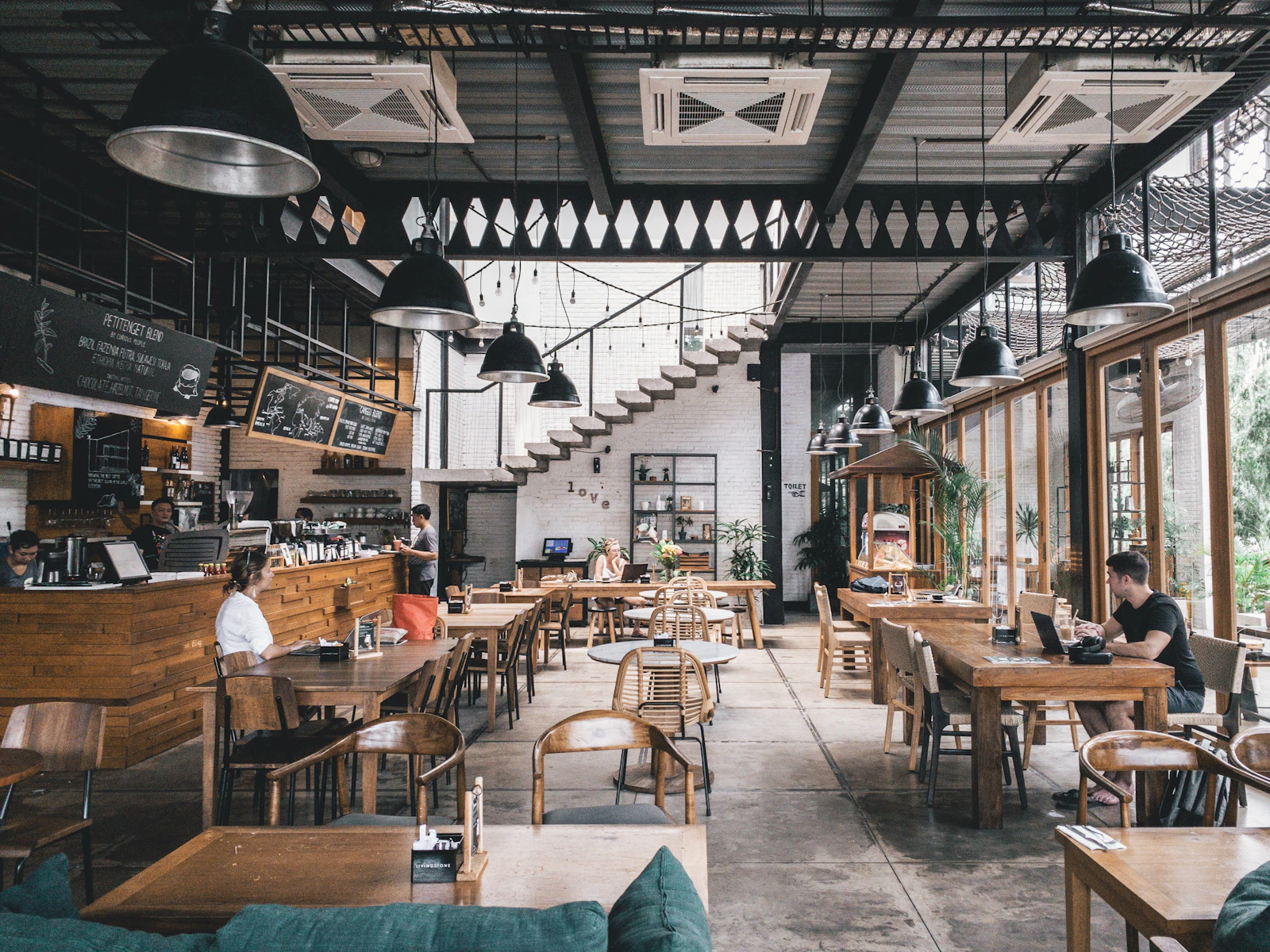
Music playing in your restaurant does more than create ambiance; it affects how much customers spend, how long they stay, and even what they order. Scientific research shows that the right music choice can increase customer spending by up to 70%. So, how can you use this knowledge in your restaurant?
The Psychological Effect of Music on Spending
Music directly affects the brain's emotion and decision-making centers. Slow-tempo music helps customers feel more relaxed and slows down their eating pace, which often leads to more orders and higher bills. For example, in restaurants playing classical music, customers tend to choose more expensive wines. Fast-tempo music increases energy but can cause customers to eat faster and leave sooner.
Matching Music Genre to Customer Profile
Every restaurant has a different target audience. In a fine dining restaurant, classical music or jazz is expected. However, in a café targeting a younger crowd, indie or electronic music might be more suitable. The music genre influences customers' perception of the venue and their price sensitivity. For instance, in a restaurant playing classical music, customers tend to think the food is of higher quality and are inclined to spend more.
Importance of Tempo and Volume
The tempo (BPM) and volume of music directly affect customer behavior. A study found that in a restaurant playing slow-tempo music, customers spent 20% more time eating and increased drink orders. Volume is also critical: excessively loud music makes conversation difficult, causing discomfort and early departure. The ideal volume should be low enough to be perceived as background music but high enough to create ambiance.
Relationship Between Music and Menu Pricing
Music also affects customers' price perception. Sophisticated genres like classical music can help customers view prices as more reasonable. Therefore, when setting your menu prices, you should consider your music choice. For example, during dinner service with more expensive dishes, opting for slow-tempo and elegant music can increase customers' willingness to spend.
Changing Music at Different Times of the Day
Your restaurant's playlist should change according to the time of day. Energetic but non-intrusive music during lunch encourages quick service, while slow and romantic music during dinner encourages customers to stay longer. Additionally, on special occasions (Valentine's Day, New Year's Eve), thematic music can enrich the experience.
Common Mistakes in Music Selection
- Too loud: Prevents customers from hearing each other and reduces comfort.
- Using radio: Advertisements and announcements disrupt ambiance.
- Monotonous music: The same playlist all day can be boring; change it according to time slots.
- Ignoring target audience: Music should align with your customer profile.
Music Management in the Digital Age
Today, using digital platforms for music management in your restaurant offers convenience and data analysis. However, when choosing music, it's also important to optimize your menu and pricing. Digital menu systems can enhance customer experience in harmony with music. For example, with a QR menu system like qrmenu.link, you can update your menu, reflect price changes instantly, and offer special deals based on your music tempo.
Music and Brand Identity
Your restaurant's music choice is part of your brand identity. A consistent music policy helps customers remember your venue and return. For instance, a restaurant that offers live jazz performances at the same time every evening becomes known for this feature. Music also has the potential to be shared on social media; a unique playlist can encourage customers to recommend your venue.
Conclusion: Create Your Music Strategy
Music is a factor that should not be underestimated in your restaurant's success. With the right genre, tempo, and volume, you can increase customer spending and satisfaction. Remember, every restaurant is unique; therefore, observe your own customer base and experiment to find the most suitable music strategy. Also, align your menu and pricing with this strategy for maximum efficiency. As part of digital transformation, tools like qrmenu.link can simplify your menu management and take the customer experience to the next level.
Frequently Asked Questions
What music genre should I play in my restaurant?
The music genre depends on your restaurant's concept and target audience. Classical music or jazz is suitable for a fine dining restaurant, while indie or electronic music may be preferred in a café targeting a younger crowd. Analyze your customer profile to choose the most appropriate genre.
How does music tempo affect customer spending?
Slow-tempo music (60-80 BPM) helps customers feel more relaxed, slows down eating pace, and often leads to more orders. Fast-tempo music increases energy but may cause customers to leave sooner.
What should the volume level be?
The volume should be low enough not to hinder conversation but high enough to create ambiance. Generally, 60-70 decibels is ideal. Too loud music can cause discomfort and early departure.
Should I change music at different times of the day?
Yes, energetic music during lunch encourages quick service, while slow and romantic music during dinner encourages customers to stay longer. Updating your playlist according to the time of day is beneficial.
Does my music choice affect my menu pricing?
Yes, music can influence customers' price perception. Sophisticated genres like classical music can make prices seem more reasonable. Therefore, it is recommended to consider your music choice when setting menu prices.


