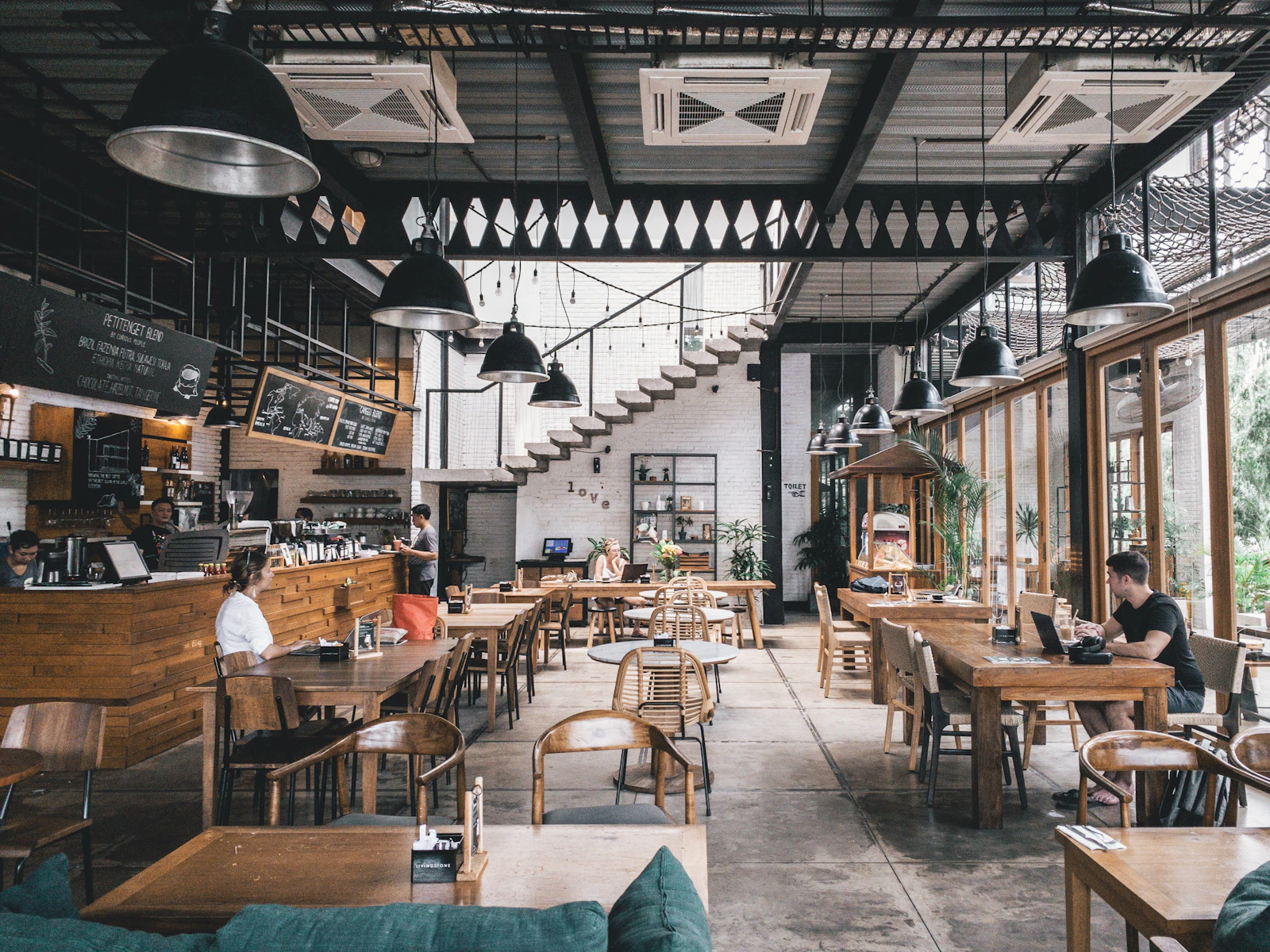
Music playing in your restaurant is a powerful tool that directly influences customer experience. The right music selection can increase guests' stay time, order amounts, and overall satisfaction. However, a wrong choice can be off-putting or create an undesirable atmosphere. In this article, we explore the effects of music selection on customer behavior with scientific data and industry experience.
Effect of Music Genre on Customer Perception
Each music genre creates a different mood and perception. For example, classical music evokes a sense of luxury and elegance, while jazz offers an intimate and sophisticated atmosphere. Pop or rock creates an energetic environment, but can be disturbing when played loudly. Choosing a genre that fits your restaurant's concept strengthens your brand identity and meets customer expectations.
Tempo and Speed: Fast or Slow?
The tempo of music affects customers' eating speed and stay time. Slow-tempo music (60-80 BPM) creates a relaxing environment, encouraging customers to stay longer and order more. Fast-tempo music (120-140 BPM) increases activity but may cause customers to leave sooner. If you want to speed up turnover during busy hours, you can prefer fast tempo; during quiet hours, slow tempo can help you host customers longer.
Volume Level: Balance Between Comfort and Communication
Music volume directly affects conversation comfort. Too loud music makes it hard for customers to hear each other and causes discomfort. Too low volume may reduce the sense of privacy. The ideal volume should create a pleasant atmosphere in the background without hindering conversations. Generally, 60-70 decibels is recommended, but adjustments should be made according to the venue's acoustics.
Music and Ordering Behavior
Music can even influence what customers order. For example, it has been observed that customers in a restaurant playing classical music tend to order more expensive wine and dishes. Similarly, jazz music may increase dessert orders. Aligning music genre with the menu can be used to boost sales.
Changing Music by Time of Day
Playing different music at different times of the day optimizes customer experience. Energetic and lively music during lunch hours encourages fast service and short stay times; while slow and romantic music in the evening is ideal for a long and enjoyable dinner. For weekend brunches, cheerful and light music can be preferred.
Live Music and DJ Performances
Live music or a DJ adds a special atmosphere to your restaurant and can increase customer loyalty. However, such events should be carefully planned in terms of volume and genre. Live music is usually played louder, so it should be positioned away from conversation areas or limited to certain hours. Also, it is important that live music is compatible with the menu and concept.
Practical Tips for Music Selection
- Create a playlist suitable for your restaurant concept: For example, Italian classics or Mediterranean tunes for an Italian restaurant.
- Pay attention to music copyrights: Use licensed music or opt for royalty-free music platforms to avoid legal issues.
- Consider customer feedback: Learn music preferences through surveys or social media comments.
- Regularly check volume levels: Adjustments may be needed at different times of the day.
- Automate music changes: Use timer systems to automatically switch according to the time of day.
The Role of Technology: Digital Menu and Music Integration
Just as music selection matters, menu presentation also affects customer experience. Digital menus can help you create an atmosphere in harmony with music. For example, QR menu systems like qrmenu.link allow you to integrate your menu with music, offering guests a more modern and enjoyable experience. While customers view the menu on their own devices, you can achieve an environment that matches the background music. Additionally, digital menus allow you to create music-themed special menus or quickly update the menu for live music nights.
Music selection is a factor not to be underestimated in your restaurant's success. With the right tempo, genre, and volume, you can increase your customers' stay time and spending, while also strengthening your brand image. Remember, every detail matters, and music is one of the most impactful details.
Frequently Asked Questions
Which music genre should I choose for my restaurant?
The music genre depends on your restaurant concept. For example, classical or jazz may suit a luxury restaurant, while pop or electronic music may be appropriate for a young and energetic venue. Consider your customer base and brand identity.
What should the music volume be?
The ideal volume level should not hinder conversations but create an atmosphere. Generally, 60-70 decibels is recommended. Fine-tune according to the venue's acoustics.
Does live music increase customer satisfaction?
Yes, when planned correctly, live music enriches the customer experience and can increase loyalty. However, volume and genre must be compatible with the concept; excessively loud music can lead to dissatisfaction.
Does music selection really affect order amounts?
Research shows that music influences customer behavior. For example, classical music is associated with more expensive orders, while slow tempo can lead to longer stay times and more orders.
What should I consider regarding music copyrights?
To avoid copyright infringement, use licensed music or utilize royalty-free music platforms. Obtaining necessary permissions for every music played in your restaurant is a legal requirement.


