What is Visitor Flow Analysis and Why is it Important?
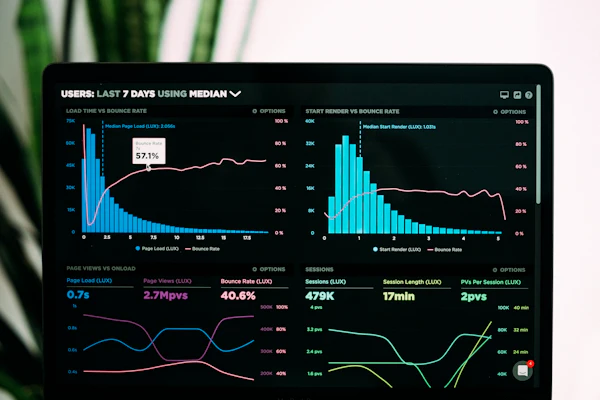
One of the most critical issues in restaurant management is the slowdown of service during peak hours. Customers complain about long wait times while staff struggle to keep up. Visitor flow analysis is a method that measures the number of customers arriving at your restaurant during specific time periods to reveal congestion patterns. With this analysis, you can determine which hours require more staff, which menu items need to be prepared faster, and how to use tables more efficiently.
Data Collection Methods: How to Get Accurate Data?
Accurate data collection is essential for visitor flow analysis. Here are some methods you can use:
- Receipt and Order Records: Get hourly sales reports from your POS system. See which hours have the most orders.
- Table Turnover Time Tracking: Note how long each table takes to become free. Measure your table turnover rate during peak hours.
- Customer Counting: Place a counter at the entrance or have staff record the number of customers arriving each hour.
- Online Reservation and Order Data: Analyze data from your online reservation systems and ordering platforms.
Collect this data over a week or a month to create a table based on days of the week and time slots. For example, Saturday evenings between 7:00 PM and 9:00 PM might be your busiest hours.
Identifying Peak Hours and Understanding Patterns
Turn your collected data into a graph or table. When identifying peak hours, pay attention to the following:
- Peak Hours: Time periods with the highest number of customers (usually lunch 12:00-1:30 PM and dinner 7:00-9:00 PM).
- Semi-Peak Hours: Hours just before and after peak times (e.g., 11:00 AM-12:00 PM or 9:00-10:00 PM).
- Slow Hours: Times with low customer traffic (e.g., between 2:00-5:00 PM).
Also differentiate between weekdays and weekends to understand patterns. For instance, a restaurant in a business district may be busy on weekdays at lunch but quieter on weekend evenings.
Factors Affecting Service Speed and Bottlenecks
Several reasons cause slow service during peak hours:
- Kitchen Capacity: Insufficient number of chefs or equipment delays order completion.
- Staff Numbers: The number of waiters or bussers may not be enough to serve tables quickly.
- Menu Complexity: Dishes that take a long time to prepare consume more time during rush.
- Table Layout: Tables far apart or a narrow service area slow down movement.
To identify these bottlenecks, observe each process step by step. For example, use a stopwatch to measure the time from taking an order to sending it to the kitchen, cooking the meal, and serving it to the table.
Managing Peak Times with Staff Planning
Optimize staff numbers and shifts based on visitor flow data:
- Reinforcements During Peak Hours: Bring in extra staff during the busiest times. For example, add an extra waiter and busser between 6:00 PM and 10:00 PM.
- Flexible Shifts: Adjust staff start and end times according to traffic. Some staff start early and leave early, while others start late and leave late.
- Task Distribution: Ensure everyone has a clear role during peak hours. For instance, one person focuses solely on clearing tables, another only on taking orders.
When planning staff, also consider legal working hours and rest periods.
Speeding Up Menu and Kitchen Processes
To increase service speed during peak hours, make these improvements to menu and kitchen processes:
- Pre-preparation: Chop vegetables, prepare sauces, and marinate meats before the rush. This reduces cooking time.
- Menu Simplification: Keep only quick-to-prepare dishes on the menu during peak hours. Reserve complex dishes for slower times.
- Station Layout: Organize the kitchen so everything is within easy reach. Place frequently used ingredients on nearby shelves.
- Use of Technology: Use a screen system to send orders directly to the kitchen. Prevent paper orders from getting lost or misread.
Additionally, digitizing your menu can also boost service speed. For example, using a QR menu system like qrmenu.link allows customers to access the menu on their own phones, eliminating the time waiters spend distributing and collecting menus.
Table Management and Reservation Strategies
Optimizing table usage allows you to accommodate more customers during peak hours:
- Reservation Timing: Take reservations at 15-20 minute intervals. Stagger large groups arriving at the same time.
- Reducing Table Turnover Time: Quickly clear and prepare tables after customers finish. Set up a cleaning team for this.
- Waitlist Management: Create a waitlist for customers during peak hours. Give them an estimated wait time and offer a complimentary drink to maintain satisfaction.
Keep your table plan flexible to combine large groups or merge single-seat tables as needed.
Improving Customer Experience and Collecting Feedback
While increasing service speed, don't forget the customer experience. Fast service must be balanced so customers don't feel rushed. Here are points to consider:
- Communication: Inform customers about wait times during peak hours. Apologize and thank them for their understanding.
- Gestures: Offer a free drink or dessert to customers who wait long.
- Feedback: Use short surveys or QR code surveys to get quick feedback from customers during peak hours. For example, you can measure satisfaction instantly with a feedback button added to your menu via qrmenu.link.
Analyze customer feedback to make continuous improvements. Remember, quality service is as important as fast service.
Increasing Efficiency with Technology
Today's restaurant technologies make it easier to analyze visitor flow and increase service speed. Some tools you can use:
- POS Systems: Advanced POS systems automatically calculate hourly sales reports and table turnover times.
- Customer Management Software: Digitizes reservation and waitlist management.
- Digital Menu Systems: Platforms like qrmenu.link allow you to present your menu via QR code, make instant updates, and speed up the ordering process. Additionally, you can analyze your menu data to see which products are more popular during peak hours.
When investing in technology, choose solutions that fit your business size and needs. A simple QR menu may suffice for a small cafe, while a large restaurant may need a comprehensive POS system.
Conclusion: Continuous Improvement and Adaptation
Visitor flow analysis and service speed optimization are not one-time projects but ongoing processes. Seasonal changes, special days, and menu changes can affect flow patterns. Therefore, regularly update your data and adjust your strategies accordingly. Remember, fast and efficient service increases customer satisfaction, encourages repeat visits, and directly contributes to your business's profitability. Using technologies like digital menu systems can further simplify this process. For example, with qrmenu.link, you can digitize your menu to reduce costs and increase service speed.
Frequently Asked Questions
What is the minimum amount of data I should collect for visitor flow analysis?
At least one week of data is sufficient to see weekday and weekend patterns. However, collecting one month of data is recommended for more accurate results.
How much should I increase staff numbers to improve service speed during peak hours?
The number of staff depends on your restaurant's size and congestion level. Generally, having 20-30% more staff during peak hours compared to normal hours can improve efficiency.
Does a QR menu system really increase service speed?
Yes, with a QR menu system, customers can view the menu on their own phones, eliminating the time spent distributing and collecting menus. Additionally, updates can be made instantly, reducing printing costs.
How can I identify kitchen bottlenecks?
Measure each step from order taking to service with a stopwatch and determine where delays occur. Also, talk to kitchen staff to learn about process issues.
How can I quickly collect customer feedback during peak hours?
Place a QR code survey link on tables so customers can quickly provide feedback after their meal. This allows you to collect real-time data and make improvements.