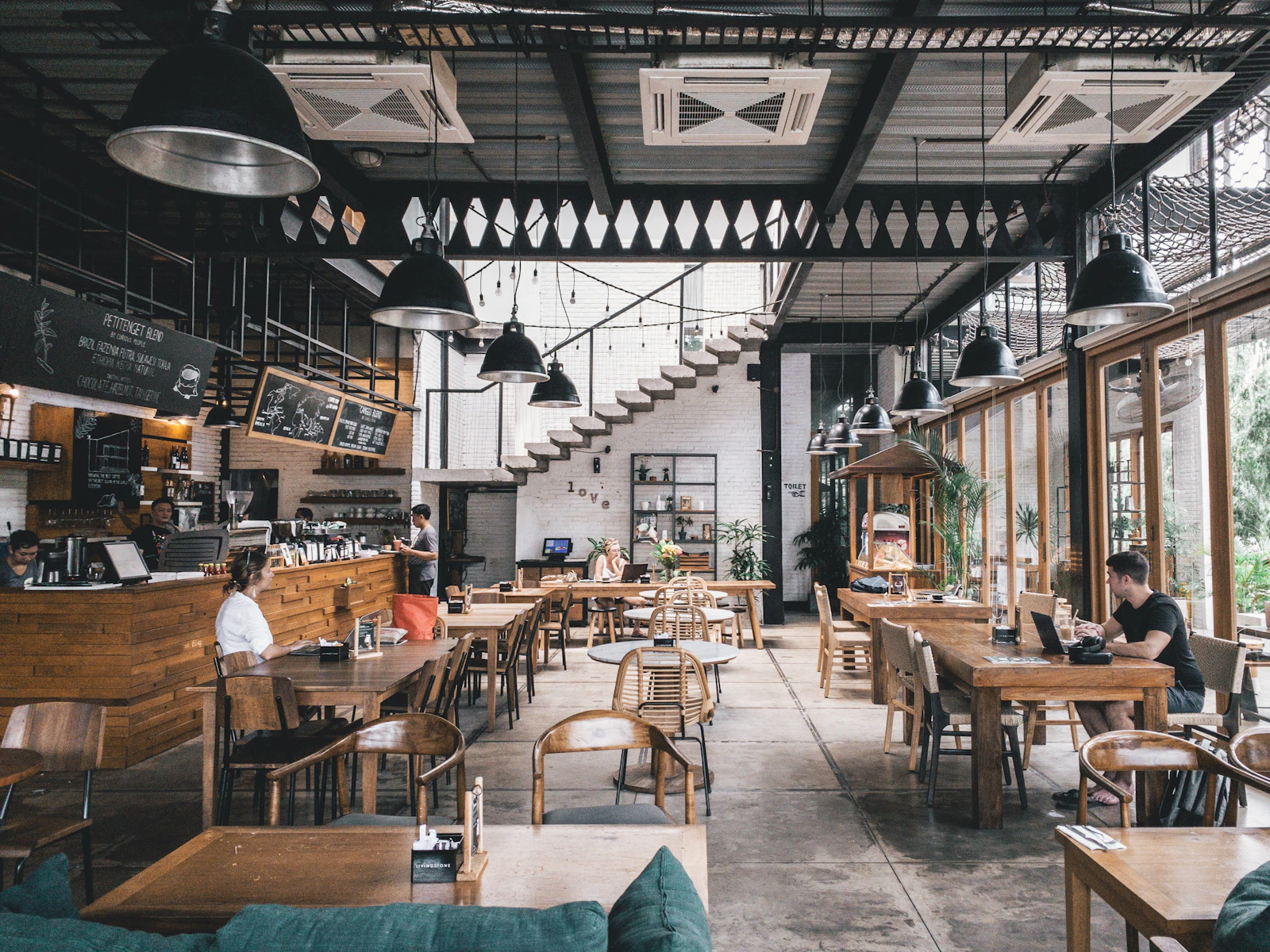
Why Furniture Choice Is Critical for Restaurant Success?
A restaurant's atmosphere shapes the guest experience from the first impression to the last. Furniture is the most tangible part of this atmosphere. The right furniture choice reflects your brand identity and affects your operating costs. Balancing durability and aesthetics means investing for the long term rather than short-term savings. In this article, we will cover the key points to consider when choosing furniture for your restaurant.
Why Should Durability Be a Priority?
Restaurant furniture endures much heavier use than home furniture. Chairs are sat on and gotten up from hundreds of times a day, tables hold heavy plates, spills happen, and cleaning is constant. Under these conditions, non-durable furniture quickly wears out, breaks, or deforms. Choosing durable furniture saves you from frequent replacement costs and maintains your business's professional appearance.
- Material selection: Solid wood, metal, high-quality laminate, or industrial plastics are long-lasting. Avoid particleboard or low-quality materials.
- Connection points: Screws, welds, and joints must be sturdy. Furniture that doesn't wobble is important for safety and comfort.
- Surface durability: Choose surfaces resistant to stains, scratches, and heat. Hot plates and spilled liquids are inevitable in restaurants.
Aesthetics: Design That Reflects Your Brand
Your restaurant's concept is embodied through furniture. A rustic Italian restaurant, a modern fast-casual spot, or a luxury fine dining establishment each require a different furniture language. Aesthetics are not just about looks but also part of the guest experience. Comfortable and stylish chairs encourage guests to stay longer and increase the desire to revisit.
- Color and texture: Consider fabrics or leathers that match your brand colors but don't show dirt easily.
- Style consistency: All furniture should be in the same style; mixed styles can create a cluttered impression.
- Functional aesthetics: For example, stackable chairs look stylish and offer storage convenience.
Materials That Combine Durability and Aesthetics
It is possible to choose materials that meet both criteria. For instance, solid wood offers both strength and timeless aesthetics, though it may require maintenance. Metal-framed chairs add an industrial feel and are long-lasting. Laminate-topped tables provide a wood look while being stain-resistant. For upholstery, easy-to-clean materials like crypton or faux leather stand out.
Budget Planning: The Cheap-Expensive Balance
When buying furniture, it can be tempting to go for the cheapest option. However, the cost of frequent replacements can far outweigh the initial savings. In the medium to long term, quality furniture is more economical. Consider these points when setting your budget:
- Lifecycle cost: A durable chair may last 5-10 years, while a cheap one may need replacement in 1-2 years.
- Warranty and service: The warranty period and spare parts support offered by the supplier are important.
- Second-hand options: Some restaurants closing down may sell quality furniture at good prices. But check hygiene and wear condition.
Guest Comfort and Experience
Furniture is not just for show; it is for use. Ensuring your guests' comfort increases satisfaction and loyalty. Ergonomic factors like chair height, table width, and seat depth directly affect the dining experience. Accessibility for guests with disabilities should also be considered. Furniture layout should facilitate service flow.
- Ergonomics: Chairs with back support provide comfort during long sittings.
- Table size: A standard dining table should be at least 70 cm deep, leaving enough space for plates, glasses, and cutlery.
- Sound insulation: Hard-surfaced chairs and tables reflect sound; fabric coverings or carpets absorb it.
Ease of Maintenance and Cleaning
Hygiene is critical in restaurants. Furniture that is easy to clean saves labor and time. Stain-resistant, antibacterial surfaces and removable covers are practical solutions. Regular maintenance (e.g., polishing wood furniture) extends its life. Always check cleaning instructions when choosing furniture.
What to Look for When Choosing a Furniture Supplier
A reliable supplier offers quality products and good after-sales service. Check references and, if possible, try products in the showroom. Bulk purchases may come with discounts. Also, clarify logistics details like delivery time and assembly service. Local manufacturers may offer faster and more personalized service.
When making your furniture choice, also consider your menu and service concept. For example, if you change your menu frequently, modular or easily movable furniture can make your job easier. Additionally, modern solutions like digital menu systems enrich the restaurant experience. QR menu applications reduce the need for physical menus on tables and offer hygiene advantages. Platforms like qrmenu.link make it easy to update menus and present them in different languages, enhancing guest satisfaction.
Conclusion: Think Long-Term
Restaurant furniture selection is a strategic decision that affects your business's identity and sustainability. Balancing durability and aesthetics may require a bit more research and investment upfront, but it will save you time, money, and reputation in the long run. Choosing furniture that is comfortable for guests, reflects your brand, and withstands heavy use will take your restaurant to the next level.
Frequently Asked Questions
What is the most important factor when choosing restaurant furniture?
The most important factor is the balance between durability and aesthetics. Non-durable furniture wears out quickly and leads to frequent replacement costs. Aesthetics directly affect the guest experience and brand image. Materials and designs that combine these two criteria should be preferred.
Which furniture materials are ideal for restaurants?
Solid wood, metal, high-quality laminate, and industrial plastics are suitable for restaurants. Wood offers a warm look, while metal adds an industrial feel. Laminate surfaces are stain-resistant. For upholstery, easy-to-clean materials like faux leather or crypton are recommended.
How should the budget be planned for restaurant furniture?
Cheap furniture may seem attractive in the short term, but frequent replacement costs can make it more expensive. In the medium to long term, investing in quality furniture is economical. Lifecycle cost, warranty period, and supplier support should also be considered in budget planning.
How does furniture choice affect the guest experience?
Comfortable and ergonomic furniture encourages guests to stay longer and leave satisfied. Additionally, furniture layout affects service flow. Factors like sound insulation and hygiene also improve the overall experience.
How should restaurant furniture be maintained?
Maintenance varies by furniture type. Wood surfaces should be polished regularly, fabric coverings protected with stain-resistant sprays. For daily cleaning, use soft cloths and appropriate cleaning agents, avoiding abrasives.