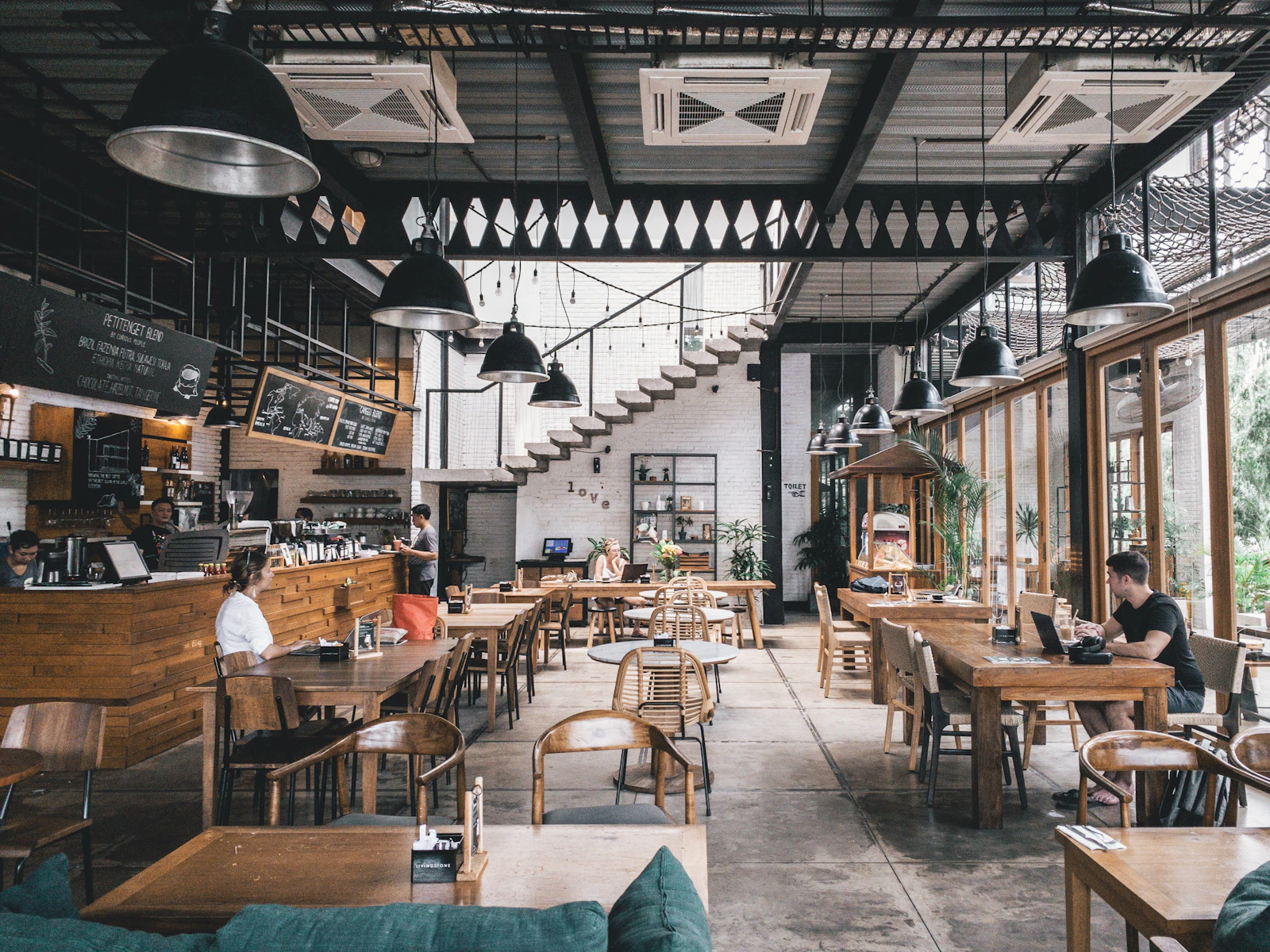
Building a restaurant chain is one of the most exciting steps in entrepreneurial dreams. However, as you grow, maintaining standards and ensuring every branch delivers the same quality becomes one of the biggest challenges. From menu to service, decor to customer experience, every detail must be consistent. In this article, we cover the 5 golden rules for growing your chain restaurant while maintaining standards step by step.
1. Standardize and Document Operational Processes
For every branch to operate the same way, operational processes must be clearly defined. From material procurement to food preparation, service procedures to cleaning standards, every step should be documented. These documents serve as training materials when opening new branches and as references for auditing existing ones. Additionally, sending instant updates to all branches via digital platforms helps keep standards current.
2. Balance Central and Local Needs
While central management is critical for consistency in chain restaurants, adapting to local conditions is also important. Flexibility such as incorporating local flavors into the menu or choosing decor that fits the region's culture can increase customer satisfaction. However, this flexibility should be exercised without compromising brand identity. For example, core menu items determined centrally can be the same across all branches, while regional specialties can be offered as additional options.
3. Increase Efficiency with Digital Tools
Operational complexity increases in a growing chain. Digital tools simplify many processes from inventory management to order tracking, staff scheduling to customer feedback. In particular, QR menu systems allow instant menu updates across all branches. For example, with a platform like qrmenu.link, menu changes can be made from a single center and become visible in all branches simultaneously. This saves time and helps maintain standards.
4. Establish Regular Audits and Feedback Mechanisms
Regular audits are essential to check whether standards are being implemented. Audits can be conducted through mystery shopper visits, cross-audits among branch managers, or by the central team. Based on audit results, feedback should be given to branches, and action plans should be created to address deficiencies. Additionally, sharing best practices among branches accelerates the entire chain's alignment.
5. Invest in Staff Training and Culture
The most important element in maintaining standards is ensuring staff embrace them. Starting from the recruitment process, regular training should help staff internalize brand values and operational procedures. Training should be practical, not just theoretical, reinforced with role-play exercises and case studies. Furthermore, staff satisfaction surveys and reward systems boost motivation and strengthen commitment to standards.
Growth in chain restaurants is possible by maintaining standards. In this process, digital transformation, especially in menu management, provides great convenience. Multilingual, commission-free QR menu systems like qrmenu.link help you centrally update menus across all branches and offer a consistent experience to your guests. Don't forget to incorporate these tools into your strategy to avoid compromising quality while growing.
Frequently Asked Questions
Why is it difficult to maintain standards in chain restaurants?
Working with different staff, suppliers, and customer profiles in different locations makes it challenging to apply brand standards uniformly across all branches. Additionally, communication and audit costs increase as the chain grows.
How do digital menu systems help maintain standards?
Digital menu systems allow you to update menus centrally. All branches are updated instantly, preventing differences in prices, content, or visuals. Multilingual support also ensures a consistent presentation across branches.
What steps should be taken to maintain standards when opening a new branch?
First, operational processes must be documented. New branch staff should undergo central training, pre-opening audits should be conducted, and frequent feedback should be provided during the initial period.
Does local flexibility harm brand standards?
No, if managed correctly, local flexibility strengthens the brand. The key is to centrally define areas of flexibility (e.g., regional menu items) and ensure they do not damage the brand's core identity.
Which methods are effective for staff training?
Practical training, role-play exercises, case studies, and regular assessment tests are the most effective methods. Additionally, e-learning platforms make it easier for staff in different branches to receive the same training.