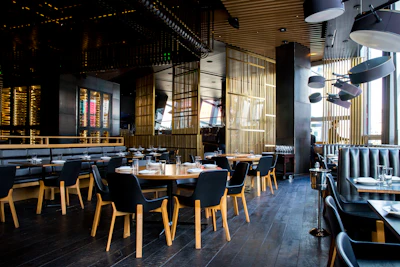
The Power of Colors: Why Warm Colors Are Indispensable for Restaurants?
When you step into a restaurant, the first thing you notice is the decoration. Colors appear everywhere, from walls to tables, lighting to menu design. Warm colors – red, orange, yellow, and their shades – have been preferred in the restaurant industry for many years. The reason is their stimulating effect on human psychology. Research shows that warm colors increase heart rate, raise blood pressure, and trigger appetite. Especially for fast-service restaurants and cafes, warm colors can encourage customers to eat faster and order more frequently.
Red: The Appetite-Stimulating and Energizing Color
Red is the most commonly used warm color in restaurant decoration. Why? Red is a striking and stimulating color. Our brain associates red with urgency and energy. In a restaurant, red walls or accents can lead customers to make quicker decisions and consume more food. For example, fast-food chains often use red. But be careful: Excessive red can be disturbing and may prevent customers from staying long. Therefore, it is a good idea to balance red with neutral tones or wood textures.
Orange: A Sense of Friendliness and Warmth
Orange combines the energy of red with the cheerfulness of yellow. Using orange in restaurants creates a friendly and inviting atmosphere. It is especially ideal for family restaurants and brunch spots. Orange stimulates appetite but is not as aggressive as red. It helps customers feel comfortable and encourages conversation. Orange tones are particularly harmonious with autumn-themed menus or sunset concepts.
Yellow: Happiness and Attention-Grabbing
Yellow evokes sunlight and happiness. Using yellow in restaurants adds energy and vibrancy to the space. However, when overused, yellow can be tiring to the eyes. Therefore, it is often preferred as an accent color. For example, yellow chairs or wall art add a cheerful vibe. Yellow is especially popular in breakfast and brunch restaurants because it provides energy in the morning hours. Additionally, yellow lighting makes food look more appetizing.
Balance and Harmony When Using Warm Colors
Warm colors are powerful tools, but they should be used carefully. Instead of painting all walls red in a restaurant, it can be more effective to use warm colors as accents. For example:
- A red wall or red napkins
- Orange chandeliers or tablecloths
- Yellow frames or pillows
This way, you can improve appetite and atmosphere without exaggerating the effect of colors. Also, balancing warm colors with neutral colors (white, beige, gray) gives the space a professional look. Natural materials like wood, stone, or plants also work in harmony with warm colors.
Warm Color Strategies to Enhance Customer Experience
You can improve customer experience by using warm colors strategically. Here are some tips:
- Entrance area: Create a warm welcome with warm colors. A red or orange door draws customers in.
- Seating area: Create a comfortable and intimate environment with warm colors. Yellow lighting makes food look more delicious.
- Menu design: Use warm colors in your menu to highlight certain dishes. For example, you can use a red dot next to the most profitable items.
- Digital menus: You can also use color psychology when digitizing your menu with QR menu systems. For example, buttons highlighted with warm colors can increase click-through rates.
Disadvantages of Warm Colors and Points to Consider
As with everything, warm colors have disadvantages. Overuse can create restlessness in customers. Especially for restaurants offering long dining experiences (fine dining), warm colors may not be suitable. Such venues prefer calmer and neutral colors. Additionally, warm colors can make the space appear smaller, so they should be used carefully in narrow areas. Another important point is cultural differences. For example, in some cultures, red may signify bad luck. Know your target audience well and make your color choices accordingly.
Cost and Ease of Application
Integrating warm colors into restaurant decoration does not have to be expensive. You can create big changes with small touches. For example, instead of repainting walls, you can use colored accessories (pillows, paintings, flowers). Lighting is also an important factor. Warm-colored bulbs can instantly change the atmosphere of the space. Additionally, modern solutions like digital menu systems can complement your decoration. For instance, by digitizing your menu with a system like qrmenu.link, you can create an interface that harmonizes with warm colors and enrich the customer experience.
Conclusion: Revitalize Your Restaurant with Warm Colors
Warm colors are powerful tools that positively affect appetite and atmosphere in restaurant decoration. By using red, orange, and yellow in a balanced and strategic way, you can make your customers spend more time in the space and order more. Remember, decoration is not just about visuals; it is also a marketing strategy. You can take this experience further by digitizing your menu. For example, with qrmenu.link, you can present your menu via QR code, create a digital interface that harmonizes with warm colors, and offer your customers a modern experience.
Frequently Asked Questions
Do warm colors really increase appetite in restaurant decoration?
Yes, warm colors (red, orange, yellow) psychologically stimulate appetite. Red speeds up heart rate and provides energy, orange creates a sense of friendliness, and yellow adds happiness and vitality. These colors can help customers consume more food and order faster.
Which types of restaurants are warm colors more suitable for?
Warm colors are especially ideal for fast-service restaurants, cafes, brunch spots, and family restaurants. For fine dining restaurants, calmer and neutral colors are preferred because warm colors can be disturbing during long dining experiences.
What should I consider when using warm colors?
It is important to use warm colors as accents without overdoing them. Excessive red or yellow can tire the eyes and make the space appear smaller. Balance them with neutral colors and ensure harmony with natural materials. Also, consider cultural differences.
What is the cost of applying warm colors to decoration?
The cost depends on the scope of the change. Small accessories (pillows, paintings, flowers) or lighting changes are low-cost. Repainting walls or changing furniture requires a higher budget. However, effective results can be achieved even with small touches.
How can digital menus be harmonized with warm color decoration?
Digital menu systems allow you to present your menu with an interface that harmonizes with warm colors. For example, a platform like qrmenu.link can use color psychology while displaying your menu via QR code. Buttons and headings highlighted with warm colors attract customers' attention and improve the ordering experience.